



Blog
Control Valves in Refineries: Design, Operation and Benefits
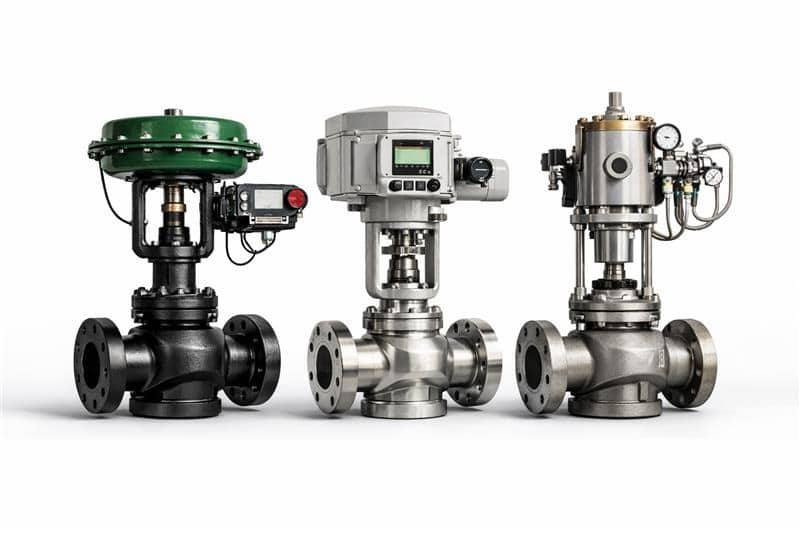
A control system of complex process variables is imperative in refinery operations towards safety, efficiency and product quality conformance. Refineries operate under extreme conditions-higher pressures and temperatures, corrosive fluids, continuous duty cycles; minor deviations always lead to operational inefficiencies or major safety incidents. The process control infrastructure relies heavily on control valves, sourced from refinery control valve manufacturers experienced in designing valves for refinery applications. Control Valve Supplier in Saudi Arabia provides proven solutions for oil and gas refineries.
What is a Control Valve in a Refinery?
A refinery control valve is a precision-engineered flow regulation device used to control pressure, temperature, flow rate, and liquid level in crude distillation, hydrocracking, FCC, and utility systems. These valves ensure process stability, operational safety, and compliance with oil & gas industry standards such as API and ASME.
Understanding Control Valves and Their Role in Refineries
A control valve is termed as a mechanical device whose purpose is to regulate the flow of a fluid by changing the dimension of the flow passage in response to received signals from the controller. These signals are generated via measurement of pressure, temperature, flow rate, or liquid level using sensors that are real-time connected.
Hence, control valves are vital to safety, stability, and efficiency in refinery operations. Selecting high-quality valves from a trusted Control Valve Supplier in Saudi Arabia or experienced manufacturers, including Refinery Control Valves in UAE, ensures reliable performance for hydrocracking, distillation, and FCC applications.
These valves are available in ANSI and ASME pressure classes up to 2500 and are made from carbon steel, stainless steel, duplex, and super duplex for high-pressure and corrosive service. Serving oil & gas, petrochemical, and power industries, they meet strict international standards and project compliance requirements, including API, ASME, NACE, and ARAMCO approvals.
As a leading Oil & Gas Control Valve Manufacturer Middle East, we provide engineered oil and gas control valves, including API Control Valve for ARAMCO Projects, with full documentation and reliable performance for critical refinery operations.
Performance & Compliance Reinforcement :
Our valves also meet stringent technical and regulatory standards:
- API 6D / API 600 compliance for critical pressure integrity
- ASME B16.34 pressure ratings for high-pressure refinery service
- ISO 15848 fugitive emission testing to minimize leaks
- Fire-safe tested designs for hydrocarbon applications
- NACE MR0175 compliance for sour service and corrosion resistance
High-quality valves improve process safety. Oil & Gas Control Valve Manufacturer Middle East ensures compliance and long-term performance.
Hence, control valves are vital to safety, stability, and efficiency in refinery operations. Selecting high-quality valves from a trusted Control Valve Supplier in Saudi Arabia or experienced manufacturers, including Refinery Control Valves in UAE, ensures reliable performance for hydrocracking, distillation, and FCC applications.
These valves are available in ANSI and ASME pressure classes up to 2500 and are made from carbon steel, stainless steel, duplex, and super duplex for high-pressure and corrosive service. Serving oil & gas, petrochemical, and power industries, they meet strict international standards and project compliance requirements, including API, ASME, NACE, and ARAMCO approvals.
As a leading Oil & Gas Control Valve Manufacturer Middle East, we provide engineered oil and gas control valves, including API Control Valve for ARAMCO Projects, with full documentation and reliable performance for critical refinery operations.
[/vc_column_text][/vc_column][/vc_row]
Performance & Compliance Reinforcement :
Our valves also meet stringent technical and regulatory standards:
- API 6D / API 600 compliance for critical pressure integrity
- ASME B16.34 pressure ratings for high-pressure refinery service
- ISO 15848 fugitive emission testing to minimize leaks
- Fire-safe tested designs for hydrocarbon applications
- NACE MR0175 compliance for sour service and corrosion resistance
High-quality valves improve process safety. Oil & Gas Control Valve Manufacturer Middle East ensures compliance and long-term performance.
Hence, control valves are vital to safety, stability, and efficiency in refinery operations. Selecting high-quality valves from a trusted Control Valve Supplier in Saudi Arabia or experienced manufacturers, including Refinery Control Valves in UAE, ensures reliable performance for hydrocracking, distillation, and FCC applications.
These valves are available in ANSI and ASME pressure classes up to 2500 and are made from carbon steel, stainless steel, duplex, and super duplex for high-pressure and corrosive service. Serving oil & gas, petrochemical, and power industries, they meet strict international standards and project compliance requirements, including API, ASME, NACE, and ARAMCO approvals.
As a leading Oil & Gas Control Valve Manufacturer Middle East, we provide engineered oil and gas control valves, including API Control Valve for ARAMCO Projects, with full documentation and reliable performance for critical refinery operations.
[/vc_column_text][/vc_column][/vc_row]
High standard control valves, if properly designed, selected and maintained are of great benefits:- Increased efficiency and stability of processes
- Increased safety and reduced hazards
- Decrease in unplanned downtime
- Low life cycle and maintenance cost
- Achieve refinery safety and environmental regulations.
Performance & Compliance Reinforcement :
Our valves also meet stringent technical and regulatory standards:
- API 6D / API 600 compliance for critical pressure integrity
- ASME B16.34 pressure ratings for high-pressure refinery service
- ISO 15848 fugitive emission testing to minimize leaks
- Fire-safe tested designs for hydrocarbon applications
- NACE MR0175 compliance for sour service and corrosion resistance
High-quality valves improve process safety. Oil & Gas Control Valve Manufacturer Middle East ensures compliance and long-term performance.
Hence, control valves are vital to safety, stability, and efficiency in refinery operations. Selecting high-quality valves from a trusted Control Valve Supplier in Saudi Arabia or experienced manufacturers, including Refinery Control Valves in UAE, ensures reliable performance for hydrocracking, distillation, and FCC applications.
These valves are available in ANSI and ASME pressure classes up to 2500 and are made from carbon steel, stainless steel, duplex, and super duplex for high-pressure and corrosive service. Serving oil & gas, petrochemical, and power industries, they meet strict international standards and project compliance requirements, including API, ASME, NACE, and ARAMCO approvals.
As a leading Oil & Gas Control Valve Manufacturer Middle East, we provide engineered oil and gas control valves, including API Control Valve for ARAMCO Projects, with full documentation and reliable performance for critical refinery operations.
[/vc_column_text][/vc_column][/vc_row]
High standard control valves, if properly designed, selected and maintained are of great benefits:
- Increased efficiency and stability of processes
- Increased safety and reduced hazards
- Decrease in unplanned downtime
- Low life cycle and maintenance cost
- Achieve refinery safety and environmental regulations.
Performance & Compliance Reinforcement :
Our valves also meet stringent technical and regulatory standards:
- API 6D / API 600 compliance for critical pressure integrity
- ASME B16.34 pressure ratings for high-pressure refinery service
- ISO 15848 fugitive emission testing to minimize leaks
- Fire-safe tested designs for hydrocarbon applications
- NACE MR0175 compliance for sour service and corrosion resistance
High-quality valves improve process safety. Oil & Gas Control Valve Manufacturer Middle East ensures compliance and long-term performance.
Hence, control valves are vital to safety, stability, and efficiency in refinery operations. Selecting high-quality valves from a trusted Control Valve Supplier in Saudi Arabia or experienced manufacturers, including Refinery Control Valves in UAE, ensures reliable performance for hydrocracking, distillation, and FCC applications.
These valves are available in ANSI and ASME pressure classes up to 2500 and are made from carbon steel, stainless steel, duplex, and super duplex for high-pressure and corrosive service. Serving oil & gas, petrochemical, and power industries, they meet strict international standards and project compliance requirements, including API, ASME, NACE, and ARAMCO approvals.
As a leading Oil & Gas Control Valve Manufacturer Middle East, we provide engineered oil and gas control valves, including API Control Valve for ARAMCO Projects, with full documentation and reliable performance for critical refinery operations.
[/vc_column_text][/vc_column][/vc_row]
Accurate sizing is key to stability of control and energy efficiency. The following are some of the sizing considerations:- Flow coefficient (Cv)
- Required pressure drop
- Rangeability
- Possibility for cavitation or flashing
Improperly sized valves often would lead to poor controllability, wear rates and operational costs.
Benefits of Control Valves of High Standards to Refineries
High standard control valves, if properly designed, selected and maintained are of great benefits:
- Increased efficiency and stability of processes
- Increased safety and reduced hazards
- Decrease in unplanned downtime
- Low life cycle and maintenance cost
- Achieve refinery safety and environmental regulations.
Performance & Compliance Reinforcement :
Our valves also meet stringent technical and regulatory standards:
- API 6D / API 600 compliance for critical pressure integrity
- ASME B16.34 pressure ratings for high-pressure refinery service
- ISO 15848 fugitive emission testing to minimize leaks
- Fire-safe tested designs for hydrocarbon applications
- NACE MR0175 compliance for sour service and corrosion resistance
High-quality valves improve process safety. Oil & Gas Control Valve Manufacturer Middle East ensures compliance and long-term performance.
Hence, control valves are vital to safety, stability, and efficiency in refinery operations. Selecting high-quality valves from a trusted Control Valve Supplier in Saudi Arabia or experienced manufacturers, including Refinery Control Valves in UAE, ensures reliable performance for hydrocracking, distillation, and FCC applications.
These valves are available in ANSI and ASME pressure classes up to 2500 and are made from carbon steel, stainless steel, duplex, and super duplex for high-pressure and corrosive service. Serving oil & gas, petrochemical, and power industries, they meet strict international standards and project compliance requirements, including API, ASME, NACE, and ARAMCO approvals.
As a leading Oil & Gas Control Valve Manufacturer Middle East, we provide engineered oil and gas control valves, including API Control Valve for ARAMCO Projects, with full documentation and reliable performance for critical refinery operations.
[/vc_column_text][/vc_column][/vc_row]
Accurate sizing is key to stability of control and energy efficiency. The following are some of the sizing considerations:
- Flow coefficient (Cv)
- Required pressure drop
- Rangeability
- Possibility for cavitation or flashing
Improperly sized valves often would lead to poor controllability, wear rates and operational costs.
Benefits of Control Valves of High Standards to Refineries
High standard control valves, if properly designed, selected and maintained are of great benefits:
- Increased efficiency and stability of processes
- Increased safety and reduced hazards
- Decrease in unplanned downtime
- Low life cycle and maintenance cost
- Achieve refinery safety and environmental regulations.
Performance & Compliance Reinforcement :
Our valves also meet stringent technical and regulatory standards:
- API 6D / API 600 compliance for critical pressure integrity
- ASME B16.34 pressure ratings for high-pressure refinery service
- ISO 15848 fugitive emission testing to minimize leaks
- Fire-safe tested designs for hydrocarbon applications
- NACE MR0175 compliance for sour service and corrosion resistance
High-quality valves improve process safety. Oil & Gas Control Valve Manufacturer Middle East ensures compliance and long-term performance.
Hence, control valves are vital to safety, stability, and efficiency in refinery operations. Selecting high-quality valves from a trusted Control Valve Supplier in Saudi Arabia or experienced manufacturers, including Refinery Control Valves in UAE, ensures reliable performance for hydrocracking, distillation, and FCC applications.
These valves are available in ANSI and ASME pressure classes up to 2500 and are made from carbon steel, stainless steel, duplex, and super duplex for high-pressure and corrosive service. Serving oil & gas, petrochemical, and power industries, they meet strict international standards and project compliance requirements, including API, ASME, NACE, and ARAMCO approvals.
As a leading Oil & Gas Control Valve Manufacturer Middle East, we provide engineered oil and gas control valves, including API Control Valve for ARAMCO Projects, with full documentation and reliable performance for critical refinery operations.
[/vc_column_text][/vc_column][/vc_row]
Preventive Maintenance Strategies- Routine visual inspection for external leaks, corrosion, and damage to the actuator
- Calibration and periodic testing of valve positioners to control accuracy
- Disassembly, inspection, and replacement of worn trim- including seats, plugs, and seals.
- Verification of quality, pressure, and filtration of the actuator’s air supply
- Lubrication of moving parts as per manufacturer recommendations.
- Scheduled stroke testing to confirm full valve travel and response time.
Valve Sizing and Performance Parameters
Accurate sizing is key to stability of control and energy efficiency. The following are some of the sizing considerations:
- Flow coefficient (Cv)
- Required pressure drop
- Rangeability
- Possibility for cavitation or flashing
Improperly sized valves often would lead to poor controllability, wear rates and operational costs.
Benefits of Control Valves of High Standards to Refineries
High standard control valves, if properly designed, selected and maintained are of great benefits:
- Increased efficiency and stability of processes
- Increased safety and reduced hazards
- Decrease in unplanned downtime
- Low life cycle and maintenance cost
- Achieve refinery safety and environmental regulations.
Performance & Compliance Reinforcement :
Our valves also meet stringent technical and regulatory standards:
- API 6D / API 600 compliance for critical pressure integrity
- ASME B16.34 pressure ratings for high-pressure refinery service
- ISO 15848 fugitive emission testing to minimize leaks
- Fire-safe tested designs for hydrocarbon applications
- NACE MR0175 compliance for sour service and corrosion resistance
High-quality valves improve process safety. Oil & Gas Control Valve Manufacturer Middle East ensures compliance and long-term performance.
Hence, control valves are vital to safety, stability, and efficiency in refinery operations. Selecting high-quality valves from a trusted Control Valve Supplier in Saudi Arabia or experienced manufacturers, including Refinery Control Valves in UAE, ensures reliable performance for hydrocracking, distillation, and FCC applications.
These valves are available in ANSI and ASME pressure classes up to 2500 and are made from carbon steel, stainless steel, duplex, and super duplex for high-pressure and corrosive service. Serving oil & gas, petrochemical, and power industries, they meet strict international standards and project compliance requirements, including API, ASME, NACE, and ARAMCO approvals.
As a leading Oil & Gas Control Valve Manufacturer Middle East, we provide engineered oil and gas control valves, including API Control Valve for ARAMCO Projects, with full documentation and reliable performance for critical refinery operations.
[/vc_column_text][/vc_column][/vc_row]
Preventive Maintenance Strategies
- Routine visual inspection for external leaks, corrosion, and damage to the actuator
- Calibration and periodic testing of valve positioners to control accuracy
- Disassembly, inspection, and replacement of worn trim- including seats, plugs, and seals.
- Verification of quality, pressure, and filtration of the actuator’s air supply
- Lubrication of moving parts as per manufacturer recommendations.
- Scheduled stroke testing to confirm full valve travel and response time.
Valve Sizing and Performance Parameters
Accurate sizing is key to stability of control and energy efficiency. The following are some of the sizing considerations:
- Flow coefficient (Cv)
- Required pressure drop
- Rangeability
- Possibility for cavitation or flashing
Improperly sized valves often would lead to poor controllability, wear rates and operational costs.
Benefits of Control Valves of High Standards to Refineries
High standard control valves, if properly designed, selected and maintained are of great benefits:
- Increased efficiency and stability of processes
- Increased safety and reduced hazards
- Decrease in unplanned downtime
- Low life cycle and maintenance cost
- Achieve refinery safety and environmental regulations.
Performance & Compliance Reinforcement :
Our valves also meet stringent technical and regulatory standards:
- API 6D / API 600 compliance for critical pressure integrity
- ASME B16.34 pressure ratings for high-pressure refinery service
- ISO 15848 fugitive emission testing to minimize leaks
- Fire-safe tested designs for hydrocarbon applications
- NACE MR0175 compliance for sour service and corrosion resistance
High-quality valves improve process safety. Oil & Gas Control Valve Manufacturer Middle East ensures compliance and long-term performance.
Hence, control valves are vital to safety, stability, and efficiency in refinery operations. Selecting high-quality valves from a trusted Control Valve Supplier in Saudi Arabia or experienced manufacturers, including Refinery Control Valves in UAE, ensures reliable performance for hydrocracking, distillation, and FCC applications.
These valves are available in ANSI and ASME pressure classes up to 2500 and are made from carbon steel, stainless steel, duplex, and super duplex for high-pressure and corrosive service. Serving oil & gas, petrochemical, and power industries, they meet strict international standards and project compliance requirements, including API, ASME, NACE, and ARAMCO approvals.
As a leading Oil & Gas Control Valve Manufacturer Middle East, we provide engineered oil and gas control valves, including API Control Valve for ARAMCO Projects, with full documentation and reliable performance for critical refinery operations.
[/vc_column_text][/vc_column][/vc_row]
During operating conditions at the refinery, control valves would comply with strict international standards, such as:- API standards for oil and gas service
- ASME and ANSI pressure classifications
- IEC standards for control valve performance
- Fire-safe specifications and fugitive emissions controls
Adherence to these specifications would guarantee acceptance from the regulatory point of view, protecting against operational and environmental concerns. An experienced refinery control valve manufacturer ensures compliance with all applicable refinery and oil & gas regulations.
Maintenance, Inspection, and Troubleshooting Practices
The effective maintenance and timely inspection of control valves play a critical role in ensuring dependable operation and the avoidance of unplanned refinery shutdowns. Structured preventive maintenance procedures and accurate failure diagnostics significantly elongate the valve service life. We provide support as suppliers of control valves designed specifically for refinery operations, offering guidance, parts, and maintenance solutions for high-pressure and corrosive service environments.
Regular inspections ensure reliable operation in all conditions. API Control Valve for ARAMCO Projects are included in these checks for critical units.
Preventive Maintenance Strategies
- Routine visual inspection for external leaks, corrosion, and damage to the actuator
- Calibration and periodic testing of valve positioners to control accuracy
- Disassembly, inspection, and replacement of worn trim- including seats, plugs, and seals.
- Verification of quality, pressure, and filtration of the actuator’s air supply
- Lubrication of moving parts as per manufacturer recommendations.
- Scheduled stroke testing to confirm full valve travel and response time.
Valve Sizing and Performance Parameters
Accurate sizing is key to stability of control and energy efficiency. The following are some of the sizing considerations:
- Flow coefficient (Cv)
- Required pressure drop
- Rangeability
- Possibility for cavitation or flashing
Improperly sized valves often would lead to poor controllability, wear rates and operational costs.
Benefits of Control Valves of High Standards to Refineries
High standard control valves, if properly designed, selected and maintained are of great benefits:
- Increased efficiency and stability of processes
- Increased safety and reduced hazards
- Decrease in unplanned downtime
- Low life cycle and maintenance cost
- Achieve refinery safety and environmental regulations.
Performance & Compliance Reinforcement :
Our valves also meet stringent technical and regulatory standards:
- API 6D / API 600 compliance for critical pressure integrity
- ASME B16.34 pressure ratings for high-pressure refinery service
- ISO 15848 fugitive emission testing to minimize leaks
- Fire-safe tested designs for hydrocarbon applications
- NACE MR0175 compliance for sour service and corrosion resistance
High-quality valves improve process safety. Oil & Gas Control Valve Manufacturer Middle East ensures compliance and long-term performance.
Hence, control valves are vital to safety, stability, and efficiency in refinery operations. Selecting high-quality valves from a trusted Control Valve Supplier in Saudi Arabia or experienced manufacturers, including Refinery Control Valves in UAE, ensures reliable performance for hydrocracking, distillation, and FCC applications.
These valves are available in ANSI and ASME pressure classes up to 2500 and are made from carbon steel, stainless steel, duplex, and super duplex for high-pressure and corrosive service. Serving oil & gas, petrochemical, and power industries, they meet strict international standards and project compliance requirements, including API, ASME, NACE, and ARAMCO approvals.
As a leading Oil & Gas Control Valve Manufacturer Middle East, we provide engineered oil and gas control valves, including API Control Valve for ARAMCO Projects, with full documentation and reliable performance for critical refinery operations.
[/vc_column_text][/vc_column][/vc_row]
During operating conditions at the refinery, control valves would comply with strict international standards, such as:
- API standards for oil and gas service
- ASME and ANSI pressure classifications
- IEC standards for control valve performance
- Fire-safe specifications and fugitive emissions controls
Adherence to these specifications would guarantee acceptance from the regulatory point of view, protecting against operational and environmental concerns. An experienced refinery control valve manufacturer ensures compliance with all applicable refinery and oil & gas regulations.
Maintenance, Inspection, and Troubleshooting Practices
The effective maintenance and timely inspection of control valves play a critical role in ensuring dependable operation and the avoidance of unplanned refinery shutdowns. Structured preventive maintenance procedures and accurate failure diagnostics significantly elongate the valve service life. We provide support as suppliers of control valves designed specifically for refinery operations, offering guidance, parts, and maintenance solutions for high-pressure and corrosive service environments.
Regular inspections ensure reliable operation in all conditions. API Control Valve for ARAMCO Projects are included in these checks for critical units.
Preventive Maintenance Strategies
- Routine visual inspection for external leaks, corrosion, and damage to the actuator
- Calibration and periodic testing of valve positioners to control accuracy
- Disassembly, inspection, and replacement of worn trim- including seats, plugs, and seals.
- Verification of quality, pressure, and filtration of the actuator’s air supply
- Lubrication of moving parts as per manufacturer recommendations.
- Scheduled stroke testing to confirm full valve travel and response time.
Valve Sizing and Performance Parameters
Accurate sizing is key to stability of control and energy efficiency. The following are some of the sizing considerations:
- Flow coefficient (Cv)
- Required pressure drop
- Rangeability
- Possibility for cavitation or flashing
Improperly sized valves often would lead to poor controllability, wear rates and operational costs.
Benefits of Control Valves of High Standards to Refineries
High standard control valves, if properly designed, selected and maintained are of great benefits:
- Increased efficiency and stability of processes
- Increased safety and reduced hazards
- Decrease in unplanned downtime
- Low life cycle and maintenance cost
- Achieve refinery safety and environmental regulations.
Performance & Compliance Reinforcement :
Our valves also meet stringent technical and regulatory standards:
- API 6D / API 600 compliance for critical pressure integrity
- ASME B16.34 pressure ratings for high-pressure refinery service
- ISO 15848 fugitive emission testing to minimize leaks
- Fire-safe tested designs for hydrocarbon applications
- NACE MR0175 compliance for sour service and corrosion resistance
High-quality valves improve process safety. Oil & Gas Control Valve Manufacturer Middle East ensures compliance and long-term performance.
Hence, control valves are vital to safety, stability, and efficiency in refinery operations. Selecting high-quality valves from a trusted Control Valve Supplier in Saudi Arabia or experienced manufacturers, including Refinery Control Valves in UAE, ensures reliable performance for hydrocracking, distillation, and FCC applications.
These valves are available in ANSI and ASME pressure classes up to 2500 and are made from carbon steel, stainless steel, duplex, and super duplex for high-pressure and corrosive service. Serving oil & gas, petrochemical, and power industries, they meet strict international standards and project compliance requirements, including API, ASME, NACE, and ARAMCO approvals.
As a leading Oil & Gas Control Valve Manufacturer Middle East, we provide engineered oil and gas control valves, including API Control Valve for ARAMCO Projects, with full documentation and reliable performance for critical refinery operations.
[/vc_column_text][/vc_column][/vc_row]
The following materials are commonly used:- For general service-carbon steel.
- For corrosive environment-stainless steel.
- For high temperature-chrome-moly alloys.
Properly chosen materials extend the service life of the valve enormously and cut down on maintenance frequency, especially in severe duty high pressure refinery control valve installations.
Safety Standards and Regulatory Compliance
During operating conditions at the refinery, control valves would comply with strict international standards, such as:
- API standards for oil and gas service
- ASME and ANSI pressure classifications
- IEC standards for control valve performance
- Fire-safe specifications and fugitive emissions controls
Adherence to these specifications would guarantee acceptance from the regulatory point of view, protecting against operational and environmental concerns. An experienced refinery control valve manufacturer ensures compliance with all applicable refinery and oil & gas regulations.
Maintenance, Inspection, and Troubleshooting Practices
The effective maintenance and timely inspection of control valves play a critical role in ensuring dependable operation and the avoidance of unplanned refinery shutdowns. Structured preventive maintenance procedures and accurate failure diagnostics significantly elongate the valve service life. We provide support as suppliers of control valves designed specifically for refinery operations, offering guidance, parts, and maintenance solutions for high-pressure and corrosive service environments.
Regular inspections ensure reliable operation in all conditions. API Control Valve for ARAMCO Projects are included in these checks for critical units.
Preventive Maintenance Strategies
- Routine visual inspection for external leaks, corrosion, and damage to the actuator
- Calibration and periodic testing of valve positioners to control accuracy
- Disassembly, inspection, and replacement of worn trim- including seats, plugs, and seals.
- Verification of quality, pressure, and filtration of the actuator’s air supply
- Lubrication of moving parts as per manufacturer recommendations.
- Scheduled stroke testing to confirm full valve travel and response time.
Valve Sizing and Performance Parameters
Accurate sizing is key to stability of control and energy efficiency. The following are some of the sizing considerations:
- Flow coefficient (Cv)
- Required pressure drop
- Rangeability
- Possibility for cavitation or flashing
Improperly sized valves often would lead to poor controllability, wear rates and operational costs.
Benefits of Control Valves of High Standards to Refineries
High standard control valves, if properly designed, selected and maintained are of great benefits:
- Increased efficiency and stability of processes
- Increased safety and reduced hazards
- Decrease in unplanned downtime
- Low life cycle and maintenance cost
- Achieve refinery safety and environmental regulations.
Performance & Compliance Reinforcement :
Our valves also meet stringent technical and regulatory standards:
- API 6D / API 600 compliance for critical pressure integrity
- ASME B16.34 pressure ratings for high-pressure refinery service
- ISO 15848 fugitive emission testing to minimize leaks
- Fire-safe tested designs for hydrocarbon applications
- NACE MR0175 compliance for sour service and corrosion resistance
High-quality valves improve process safety. Oil & Gas Control Valve Manufacturer Middle East ensures compliance and long-term performance.
Hence, control valves are vital to safety, stability, and efficiency in refinery operations. Selecting high-quality valves from a trusted Control Valve Supplier in Saudi Arabia or experienced manufacturers, including Refinery Control Valves in UAE, ensures reliable performance for hydrocracking, distillation, and FCC applications.
These valves are available in ANSI and ASME pressure classes up to 2500 and are made from carbon steel, stainless steel, duplex, and super duplex for high-pressure and corrosive service. Serving oil & gas, petrochemical, and power industries, they meet strict international standards and project compliance requirements, including API, ASME, NACE, and ARAMCO approvals.
As a leading Oil & Gas Control Valve Manufacturer Middle East, we provide engineered oil and gas control valves, including API Control Valve for ARAMCO Projects, with full documentation and reliable performance for critical refinery operations.
[/vc_column_text][/vc_column][/vc_row]
The following materials are commonly used:
- For general service-carbon steel.
- For corrosive environment-stainless steel.
- For high temperature-chrome-moly alloys.
Properly chosen materials extend the service life of the valve enormously and cut down on maintenance frequency, especially in severe duty high pressure refinery control valve installations.
Safety Standards and Regulatory Compliance
During operating conditions at the refinery, control valves would comply with strict international standards, such as:
- API standards for oil and gas service
- ASME and ANSI pressure classifications
- IEC standards for control valve performance
- Fire-safe specifications and fugitive emissions controls
Adherence to these specifications would guarantee acceptance from the regulatory point of view, protecting against operational and environmental concerns. An experienced refinery control valve manufacturer ensures compliance with all applicable refinery and oil & gas regulations.
Maintenance, Inspection, and Troubleshooting Practices
The effective maintenance and timely inspection of control valves play a critical role in ensuring dependable operation and the avoidance of unplanned refinery shutdowns. Structured preventive maintenance procedures and accurate failure diagnostics significantly elongate the valve service life. We provide support as suppliers of control valves designed specifically for refinery operations, offering guidance, parts, and maintenance solutions for high-pressure and corrosive service environments.
Regular inspections ensure reliable operation in all conditions. API Control Valve for ARAMCO Projects are included in these checks for critical units.
Preventive Maintenance Strategies
- Routine visual inspection for external leaks, corrosion, and damage to the actuator
- Calibration and periodic testing of valve positioners to control accuracy
- Disassembly, inspection, and replacement of worn trim- including seats, plugs, and seals.
- Verification of quality, pressure, and filtration of the actuator’s air supply
- Lubrication of moving parts as per manufacturer recommendations.
- Scheduled stroke testing to confirm full valve travel and response time.
Valve Sizing and Performance Parameters
Accurate sizing is key to stability of control and energy efficiency. The following are some of the sizing considerations:
- Flow coefficient (Cv)
- Required pressure drop
- Rangeability
- Possibility for cavitation or flashing
Improperly sized valves often would lead to poor controllability, wear rates and operational costs.
Benefits of Control Valves of High Standards to Refineries
High standard control valves, if properly designed, selected and maintained are of great benefits:
- Increased efficiency and stability of processes
- Increased safety and reduced hazards
- Decrease in unplanned downtime
- Low life cycle and maintenance cost
- Achieve refinery safety and environmental regulations.
Performance & Compliance Reinforcement :
Our valves also meet stringent technical and regulatory standards:
- API 6D / API 600 compliance for critical pressure integrity
- ASME B16.34 pressure ratings for high-pressure refinery service
- ISO 15848 fugitive emission testing to minimize leaks
- Fire-safe tested designs for hydrocarbon applications
- NACE MR0175 compliance for sour service and corrosion resistance
High-quality valves improve process safety. Oil & Gas Control Valve Manufacturer Middle East ensures compliance and long-term performance.
Hence, control valves are vital to safety, stability, and efficiency in refinery operations. Selecting high-quality valves from a trusted Control Valve Supplier in Saudi Arabia or experienced manufacturers, including Refinery Control Valves in UAE, ensures reliable performance for hydrocracking, distillation, and FCC applications.
These valves are available in ANSI and ASME pressure classes up to 2500 and are made from carbon steel, stainless steel, duplex, and super duplex for high-pressure and corrosive service. Serving oil & gas, petrochemical, and power industries, they meet strict international standards and project compliance requirements, including API, ASME, NACE, and ARAMCO approvals.
As a leading Oil & Gas Control Valve Manufacturer Middle East, we provide engineered oil and gas control valves, including API Control Valve for ARAMCO Projects, with full documentation and reliable performance for critical refinery operations.
[/vc_column_text][/vc_column][/vc_row]
Control valves are installed throughout refinery units, including:- Crude and vacuum distillation systems
- Hydrotreating and hydrocracking processes
- Fluid catalytic cracking (FCC)
- Fuel gas, steam and cooling water utilities
Each application has specific challenges, either pressure release, extreme temperature, or corrosive media; hence, engineering for valves must be application specific. These stringent operational needs are met by specialized oil and gas control valves.
Material Selection and Corrosion Resistance
Material choice in a refinery is critical because many process fluids are very aggressive. The valve materials must defend themselves against chemical attack, erosion, and thermal stresses.
The following materials are commonly used:
- For general service-carbon steel.
- For corrosive environment-stainless steel.
- For high temperature-chrome-moly alloys.
Properly chosen materials extend the service life of the valve enormously and cut down on maintenance frequency, especially in severe duty high pressure refinery control valve installations.
Safety Standards and Regulatory Compliance
During operating conditions at the refinery, control valves would comply with strict international standards, such as:
- API standards for oil and gas service
- ASME and ANSI pressure classifications
- IEC standards for control valve performance
- Fire-safe specifications and fugitive emissions controls
Adherence to these specifications would guarantee acceptance from the regulatory point of view, protecting against operational and environmental concerns. An experienced refinery control valve manufacturer ensures compliance with all applicable refinery and oil & gas regulations.
Maintenance, Inspection, and Troubleshooting Practices
The effective maintenance and timely inspection of control valves play a critical role in ensuring dependable operation and the avoidance of unplanned refinery shutdowns. Structured preventive maintenance procedures and accurate failure diagnostics significantly elongate the valve service life. We provide support as suppliers of control valves designed specifically for refinery operations, offering guidance, parts, and maintenance solutions for high-pressure and corrosive service environments.
Regular inspections ensure reliable operation in all conditions. API Control Valve for ARAMCO Projects are included in these checks for critical units.
Preventive Maintenance Strategies
- Routine visual inspection for external leaks, corrosion, and damage to the actuator
- Calibration and periodic testing of valve positioners to control accuracy
- Disassembly, inspection, and replacement of worn trim- including seats, plugs, and seals.
- Verification of quality, pressure, and filtration of the actuator’s air supply
- Lubrication of moving parts as per manufacturer recommendations.
- Scheduled stroke testing to confirm full valve travel and response time.
Valve Sizing and Performance Parameters
Accurate sizing is key to stability of control and energy efficiency. The following are some of the sizing considerations:
- Flow coefficient (Cv)
- Required pressure drop
- Rangeability
- Possibility for cavitation or flashing
Improperly sized valves often would lead to poor controllability, wear rates and operational costs.
Benefits of Control Valves of High Standards to Refineries
High standard control valves, if properly designed, selected and maintained are of great benefits:
- Increased efficiency and stability of processes
- Increased safety and reduced hazards
- Decrease in unplanned downtime
- Low life cycle and maintenance cost
- Achieve refinery safety and environmental regulations.
Performance & Compliance Reinforcement :
Our valves also meet stringent technical and regulatory standards:
- API 6D / API 600 compliance for critical pressure integrity
- ASME B16.34 pressure ratings for high-pressure refinery service
- ISO 15848 fugitive emission testing to minimize leaks
- Fire-safe tested designs for hydrocarbon applications
- NACE MR0175 compliance for sour service and corrosion resistance
High-quality valves improve process safety. Oil & Gas Control Valve Manufacturer Middle East ensures compliance and long-term performance.
Hence, control valves are vital to safety, stability, and efficiency in refinery operations. Selecting high-quality valves from a trusted Control Valve Supplier in Saudi Arabia or experienced manufacturers, including Refinery Control Valves in UAE, ensures reliable performance for hydrocracking, distillation, and FCC applications.
These valves are available in ANSI and ASME pressure classes up to 2500 and are made from carbon steel, stainless steel, duplex, and super duplex for high-pressure and corrosive service. Serving oil & gas, petrochemical, and power industries, they meet strict international standards and project compliance requirements, including API, ASME, NACE, and ARAMCO approvals.
As a leading Oil & Gas Control Valve Manufacturer Middle East, we provide engineered oil and gas control valves, including API Control Valve for ARAMCO Projects, with full documentation and reliable performance for critical refinery operations.
[/vc_column_text][/vc_column][/vc_row]
Control valves are installed throughout refinery units, including:
- Crude and vacuum distillation systems
- Hydrotreating and hydrocracking processes
- Fluid catalytic cracking (FCC)
- Fuel gas, steam and cooling water utilities
Each application has specific challenges, either pressure release, extreme temperature, or corrosive media; hence, engineering for valves must be application specific. These stringent operational needs are met by specialized oil and gas control valves.
Material Selection and Corrosion Resistance
Material choice in a refinery is critical because many process fluids are very aggressive. The valve materials must defend themselves against chemical attack, erosion, and thermal stresses.
The following materials are commonly used:
- For general service-carbon steel.
- For corrosive environment-stainless steel.
- For high temperature-chrome-moly alloys.
Properly chosen materials extend the service life of the valve enormously and cut down on maintenance frequency, especially in severe duty high pressure refinery control valve installations.
Safety Standards and Regulatory Compliance
During operating conditions at the refinery, control valves would comply with strict international standards, such as:
- API standards for oil and gas service
- ASME and ANSI pressure classifications
- IEC standards for control valve performance
- Fire-safe specifications and fugitive emissions controls
Adherence to these specifications would guarantee acceptance from the regulatory point of view, protecting against operational and environmental concerns. An experienced refinery control valve manufacturer ensures compliance with all applicable refinery and oil & gas regulations.
Maintenance, Inspection, and Troubleshooting Practices
The effective maintenance and timely inspection of control valves play a critical role in ensuring dependable operation and the avoidance of unplanned refinery shutdowns. Structured preventive maintenance procedures and accurate failure diagnostics significantly elongate the valve service life. We provide support as suppliers of control valves designed specifically for refinery operations, offering guidance, parts, and maintenance solutions for high-pressure and corrosive service environments.
Regular inspections ensure reliable operation in all conditions. API Control Valve for ARAMCO Projects are included in these checks for critical units.
Preventive Maintenance Strategies
- Routine visual inspection for external leaks, corrosion, and damage to the actuator
- Calibration and periodic testing of valve positioners to control accuracy
- Disassembly, inspection, and replacement of worn trim- including seats, plugs, and seals.
- Verification of quality, pressure, and filtration of the actuator’s air supply
- Lubrication of moving parts as per manufacturer recommendations.
- Scheduled stroke testing to confirm full valve travel and response time.
Valve Sizing and Performance Parameters
Accurate sizing is key to stability of control and energy efficiency. The following are some of the sizing considerations:
- Flow coefficient (Cv)
- Required pressure drop
- Rangeability
- Possibility for cavitation or flashing
Improperly sized valves often would lead to poor controllability, wear rates and operational costs.
Benefits of Control Valves of High Standards to Refineries
High standard control valves, if properly designed, selected and maintained are of great benefits:
- Increased efficiency and stability of processes
- Increased safety and reduced hazards
- Decrease in unplanned downtime
- Low life cycle and maintenance cost
- Achieve refinery safety and environmental regulations.
Performance & Compliance Reinforcement :
Our valves also meet stringent technical and regulatory standards:
- API 6D / API 600 compliance for critical pressure integrity
- ASME B16.34 pressure ratings for high-pressure refinery service
- ISO 15848 fugitive emission testing to minimize leaks
- Fire-safe tested designs for hydrocarbon applications
- NACE MR0175 compliance for sour service and corrosion resistance
High-quality valves improve process safety. Oil & Gas Control Valve Manufacturer Middle East ensures compliance and long-term performance.
Hence, control valves are vital to safety, stability, and efficiency in refinery operations. Selecting high-quality valves from a trusted Control Valve Supplier in Saudi Arabia or experienced manufacturers, including Refinery Control Valves in UAE, ensures reliable performance for hydrocracking, distillation, and FCC applications.
These valves are available in ANSI and ASME pressure classes up to 2500 and are made from carbon steel, stainless steel, duplex, and super duplex for high-pressure and corrosive service. Serving oil & gas, petrochemical, and power industries, they meet strict international standards and project compliance requirements, including API, ASME, NACE, and ARAMCO approvals.
As a leading Oil & Gas Control Valve Manufacturer Middle East, we provide engineered oil and gas control valves, including API Control Valve for ARAMCO Projects, with full documentation and reliable performance for critical refinery operations.
[/vc_column_text][/vc_column][/vc_row]
Valve trim selection directly influences control performance and durability. Different flow characteristics are chosen based on process dynamics:- Linear flow: Proportional flow change with valve travel
- Equal percentage: Best for wide flow ranges and variable pressure drops
- Quick Opening: Used in mainly on-off or emergency service.
Whereas poor selection of trim can cause cavitation, excessive noise, vibrations and erosion, which hardens the life of a valve. This is particularly critical in applications such as control valve for hydrocracking, where extreme pressure, hydrogen presence, and elevated temperatures demand robust material and trim engineering.
Typical Refinery Applications of Control Valves
Control valves are installed throughout refinery units, including:
- Crude and vacuum distillation systems
- Hydrotreating and hydrocracking processes
- Fluid catalytic cracking (FCC)
- Fuel gas, steam and cooling water utilities
Each application has specific challenges, either pressure release, extreme temperature, or corrosive media; hence, engineering for valves must be application specific. These stringent operational needs are met by specialized oil and gas control valves.
Material Selection and Corrosion Resistance
Material choice in a refinery is critical because many process fluids are very aggressive. The valve materials must defend themselves against chemical attack, erosion, and thermal stresses.
The following materials are commonly used:
- For general service-carbon steel.
- For corrosive environment-stainless steel.
- For high temperature-chrome-moly alloys.
Properly chosen materials extend the service life of the valve enormously and cut down on maintenance frequency, especially in severe duty high pressure refinery control valve installations.
Safety Standards and Regulatory Compliance
During operating conditions at the refinery, control valves would comply with strict international standards, such as:
- API standards for oil and gas service
- ASME and ANSI pressure classifications
- IEC standards for control valve performance
- Fire-safe specifications and fugitive emissions controls
Adherence to these specifications would guarantee acceptance from the regulatory point of view, protecting against operational and environmental concerns. An experienced refinery control valve manufacturer ensures compliance with all applicable refinery and oil & gas regulations.
Maintenance, Inspection, and Troubleshooting Practices
The effective maintenance and timely inspection of control valves play a critical role in ensuring dependable operation and the avoidance of unplanned refinery shutdowns. Structured preventive maintenance procedures and accurate failure diagnostics significantly elongate the valve service life. We provide support as suppliers of control valves designed specifically for refinery operations, offering guidance, parts, and maintenance solutions for high-pressure and corrosive service environments.
Regular inspections ensure reliable operation in all conditions. API Control Valve for ARAMCO Projects are included in these checks for critical units.
Preventive Maintenance Strategies
- Routine visual inspection for external leaks, corrosion, and damage to the actuator
- Calibration and periodic testing of valve positioners to control accuracy
- Disassembly, inspection, and replacement of worn trim- including seats, plugs, and seals.
- Verification of quality, pressure, and filtration of the actuator’s air supply
- Lubrication of moving parts as per manufacturer recommendations.
- Scheduled stroke testing to confirm full valve travel and response time.
Valve Sizing and Performance Parameters
Accurate sizing is key to stability of control and energy efficiency. The following are some of the sizing considerations:
- Flow coefficient (Cv)
- Required pressure drop
- Rangeability
- Possibility for cavitation or flashing
Improperly sized valves often would lead to poor controllability, wear rates and operational costs.
Benefits of Control Valves of High Standards to Refineries
High standard control valves, if properly designed, selected and maintained are of great benefits:
- Increased efficiency and stability of processes
- Increased safety and reduced hazards
- Decrease in unplanned downtime
- Low life cycle and maintenance cost
- Achieve refinery safety and environmental regulations.
Performance & Compliance Reinforcement :
Our valves also meet stringent technical and regulatory standards:
- API 6D / API 600 compliance for critical pressure integrity
- ASME B16.34 pressure ratings for high-pressure refinery service
- ISO 15848 fugitive emission testing to minimize leaks
- Fire-safe tested designs for hydrocarbon applications
- NACE MR0175 compliance for sour service and corrosion resistance
High-quality valves improve process safety. Oil & Gas Control Valve Manufacturer Middle East ensures compliance and long-term performance.
Hence, control valves are vital to safety, stability, and efficiency in refinery operations. Selecting high-quality valves from a trusted Control Valve Supplier in Saudi Arabia or experienced manufacturers, including Refinery Control Valves in UAE, ensures reliable performance for hydrocracking, distillation, and FCC applications.
These valves are available in ANSI and ASME pressure classes up to 2500 and are made from carbon steel, stainless steel, duplex, and super duplex for high-pressure and corrosive service. Serving oil & gas, petrochemical, and power industries, they meet strict international standards and project compliance requirements, including API, ASME, NACE, and ARAMCO approvals.
As a leading Oil & Gas Control Valve Manufacturer Middle East, we provide engineered oil and gas control valves, including API Control Valve for ARAMCO Projects, with full documentation and reliable performance for critical refinery operations.
[/vc_column_text][/vc_column][/vc_row]
Valve trim selection directly influences control performance and durability. Different flow characteristics are chosen based on process dynamics:
- Linear flow: Proportional flow change with valve travel
- Equal percentage: Best for wide flow ranges and variable pressure drops
- Quick Opening: Used in mainly on-off or emergency service.
Whereas poor selection of trim can cause cavitation, excessive noise, vibrations and erosion, which hardens the life of a valve. This is particularly critical in applications such as control valve for hydrocracking, where extreme pressure, hydrogen presence, and elevated temperatures demand robust material and trim engineering.
Typical Refinery Applications of Control Valves
Control valves are installed throughout refinery units, including:
- Crude and vacuum distillation systems
- Hydrotreating and hydrocracking processes
- Fluid catalytic cracking (FCC)
- Fuel gas, steam and cooling water utilities
Each application has specific challenges, either pressure release, extreme temperature, or corrosive media; hence, engineering for valves must be application specific. These stringent operational needs are met by specialized oil and gas control valves.
Material Selection and Corrosion Resistance
Material choice in a refinery is critical because many process fluids are very aggressive. The valve materials must defend themselves against chemical attack, erosion, and thermal stresses.
The following materials are commonly used:
- For general service-carbon steel.
- For corrosive environment-stainless steel.
- For high temperature-chrome-moly alloys.
Properly chosen materials extend the service life of the valve enormously and cut down on maintenance frequency, especially in severe duty high pressure refinery control valve installations.
Safety Standards and Regulatory Compliance
During operating conditions at the refinery, control valves would comply with strict international standards, such as:
- API standards for oil and gas service
- ASME and ANSI pressure classifications
- IEC standards for control valve performance
- Fire-safe specifications and fugitive emissions controls
Adherence to these specifications would guarantee acceptance from the regulatory point of view, protecting against operational and environmental concerns. An experienced refinery control valve manufacturer ensures compliance with all applicable refinery and oil & gas regulations.
Maintenance, Inspection, and Troubleshooting Practices
The effective maintenance and timely inspection of control valves play a critical role in ensuring dependable operation and the avoidance of unplanned refinery shutdowns. Structured preventive maintenance procedures and accurate failure diagnostics significantly elongate the valve service life. We provide support as suppliers of control valves designed specifically for refinery operations, offering guidance, parts, and maintenance solutions for high-pressure and corrosive service environments.
Regular inspections ensure reliable operation in all conditions. API Control Valve for ARAMCO Projects are included in these checks for critical units.
Preventive Maintenance Strategies
- Routine visual inspection for external leaks, corrosion, and damage to the actuator
- Calibration and periodic testing of valve positioners to control accuracy
- Disassembly, inspection, and replacement of worn trim- including seats, plugs, and seals.
- Verification of quality, pressure, and filtration of the actuator’s air supply
- Lubrication of moving parts as per manufacturer recommendations.
- Scheduled stroke testing to confirm full valve travel and response time.
Valve Sizing and Performance Parameters
Accurate sizing is key to stability of control and energy efficiency. The following are some of the sizing considerations:
- Flow coefficient (Cv)
- Required pressure drop
- Rangeability
- Possibility for cavitation or flashing
Improperly sized valves often would lead to poor controllability, wear rates and operational costs.
Benefits of Control Valves of High Standards to Refineries
High standard control valves, if properly designed, selected and maintained are of great benefits:
- Increased efficiency and stability of processes
- Increased safety and reduced hazards
- Decrease in unplanned downtime
- Low life cycle and maintenance cost
- Achieve refinery safety and environmental regulations.
Performance & Compliance Reinforcement :
Our valves also meet stringent technical and regulatory standards:
- API 6D / API 600 compliance for critical pressure integrity
- ASME B16.34 pressure ratings for high-pressure refinery service
- ISO 15848 fugitive emission testing to minimize leaks
- Fire-safe tested designs for hydrocarbon applications
- NACE MR0175 compliance for sour service and corrosion resistance
High-quality valves improve process safety. Oil & Gas Control Valve Manufacturer Middle East ensures compliance and long-term performance.
Hence, control valves are vital to safety, stability, and efficiency in refinery operations. Selecting high-quality valves from a trusted Control Valve Supplier in Saudi Arabia or experienced manufacturers, including Refinery Control Valves in UAE, ensures reliable performance for hydrocracking, distillation, and FCC applications.
These valves are available in ANSI and ASME pressure classes up to 2500 and are made from carbon steel, stainless steel, duplex, and super duplex for high-pressure and corrosive service. Serving oil & gas, petrochemical, and power industries, they meet strict international standards and project compliance requirements, including API, ASME, NACE, and ARAMCO approvals.
As a leading Oil & Gas Control Valve Manufacturer Middle East, we provide engineered oil and gas control valves, including API Control Valve for ARAMCO Projects, with full documentation and reliable performance for critical refinery operations.
[/vc_column_text][/vc_column][/vc_row]
Hydraulic actuators- Used for high-force or specialized applications
Trim Design and Flow Characteristics
Valve trim selection directly influences control performance and durability. Different flow characteristics are chosen based on process dynamics:
- Linear flow: Proportional flow change with valve travel
- Equal percentage: Best for wide flow ranges and variable pressure drops
- Quick Opening: Used in mainly on-off or emergency service.
Whereas poor selection of trim can cause cavitation, excessive noise, vibrations and erosion, which hardens the life of a valve. This is particularly critical in applications such as control valve for hydrocracking, where extreme pressure, hydrogen presence, and elevated temperatures demand robust material and trim engineering.
Typical Refinery Applications of Control Valves
Control valves are installed throughout refinery units, including:
- Crude and vacuum distillation systems
- Hydrotreating and hydrocracking processes
- Fluid catalytic cracking (FCC)
- Fuel gas, steam and cooling water utilities
Each application has specific challenges, either pressure release, extreme temperature, or corrosive media; hence, engineering for valves must be application specific. These stringent operational needs are met by specialized oil and gas control valves.
Material Selection and Corrosion Resistance
Material choice in a refinery is critical because many process fluids are very aggressive. The valve materials must defend themselves against chemical attack, erosion, and thermal stresses.
The following materials are commonly used:
- For general service-carbon steel.
- For corrosive environment-stainless steel.
- For high temperature-chrome-moly alloys.
Properly chosen materials extend the service life of the valve enormously and cut down on maintenance frequency, especially in severe duty high pressure refinery control valve installations.
Safety Standards and Regulatory Compliance
During operating conditions at the refinery, control valves would comply with strict international standards, such as:
- API standards for oil and gas service
- ASME and ANSI pressure classifications
- IEC standards for control valve performance
- Fire-safe specifications and fugitive emissions controls
Adherence to these specifications would guarantee acceptance from the regulatory point of view, protecting against operational and environmental concerns. An experienced refinery control valve manufacturer ensures compliance with all applicable refinery and oil & gas regulations.
Maintenance, Inspection, and Troubleshooting Practices
The effective maintenance and timely inspection of control valves play a critical role in ensuring dependable operation and the avoidance of unplanned refinery shutdowns. Structured preventive maintenance procedures and accurate failure diagnostics significantly elongate the valve service life. We provide support as suppliers of control valves designed specifically for refinery operations, offering guidance, parts, and maintenance solutions for high-pressure and corrosive service environments.
Regular inspections ensure reliable operation in all conditions. API Control Valve for ARAMCO Projects are included in these checks for critical units.
Preventive Maintenance Strategies
- Routine visual inspection for external leaks, corrosion, and damage to the actuator
- Calibration and periodic testing of valve positioners to control accuracy
- Disassembly, inspection, and replacement of worn trim- including seats, plugs, and seals.
- Verification of quality, pressure, and filtration of the actuator’s air supply
- Lubrication of moving parts as per manufacturer recommendations.
- Scheduled stroke testing to confirm full valve travel and response time.
Valve Sizing and Performance Parameters
Accurate sizing is key to stability of control and energy efficiency. The following are some of the sizing considerations:
- Flow coefficient (Cv)
- Required pressure drop
- Rangeability
- Possibility for cavitation or flashing
Improperly sized valves often would lead to poor controllability, wear rates and operational costs.
Benefits of Control Valves of High Standards to Refineries
High standard control valves, if properly designed, selected and maintained are of great benefits:
- Increased efficiency and stability of processes
- Increased safety and reduced hazards
- Decrease in unplanned downtime
- Low life cycle and maintenance cost
- Achieve refinery safety and environmental regulations.
Performance & Compliance Reinforcement :
Our valves also meet stringent technical and regulatory standards:
- API 6D / API 600 compliance for critical pressure integrity
- ASME B16.34 pressure ratings for high-pressure refinery service
- ISO 15848 fugitive emission testing to minimize leaks
- Fire-safe tested designs for hydrocarbon applications
- NACE MR0175 compliance for sour service and corrosion resistance
High-quality valves improve process safety. Oil & Gas Control Valve Manufacturer Middle East ensures compliance and long-term performance.
Hence, control valves are vital to safety, stability, and efficiency in refinery operations. Selecting high-quality valves from a trusted Control Valve Supplier in Saudi Arabia or experienced manufacturers, including Refinery Control Valves in UAE, ensures reliable performance for hydrocracking, distillation, and FCC applications.
These valves are available in ANSI and ASME pressure classes up to 2500 and are made from carbon steel, stainless steel, duplex, and super duplex for high-pressure and corrosive service. Serving oil & gas, petrochemical, and power industries, they meet strict international standards and project compliance requirements, including API, ASME, NACE, and ARAMCO approvals.
As a leading Oil & Gas Control Valve Manufacturer Middle East, we provide engineered oil and gas control valves, including API Control Valve for ARAMCO Projects, with full documentation and reliable performance for critical refinery operations.
[/vc_column_text][/vc_column][/vc_row]
Hydraulic actuators
- Used for high-force or specialized applications
Trim Design and Flow Characteristics
Valve trim selection directly influences control performance and durability. Different flow characteristics are chosen based on process dynamics:
- Linear flow: Proportional flow change with valve travel
- Equal percentage: Best for wide flow ranges and variable pressure drops
- Quick Opening: Used in mainly on-off or emergency service.
Whereas poor selection of trim can cause cavitation, excessive noise, vibrations and erosion, which hardens the life of a valve. This is particularly critical in applications such as control valve for hydrocracking, where extreme pressure, hydrogen presence, and elevated temperatures demand robust material and trim engineering.
Typical Refinery Applications of Control Valves
Control valves are installed throughout refinery units, including:
- Crude and vacuum distillation systems
- Hydrotreating and hydrocracking processes
- Fluid catalytic cracking (FCC)
- Fuel gas, steam and cooling water utilities
Each application has specific challenges, either pressure release, extreme temperature, or corrosive media; hence, engineering for valves must be application specific. These stringent operational needs are met by specialized oil and gas control valves.
Material Selection and Corrosion Resistance
Material choice in a refinery is critical because many process fluids are very aggressive. The valve materials must defend themselves against chemical attack, erosion, and thermal stresses.
The following materials are commonly used:
- For general service-carbon steel.
- For corrosive environment-stainless steel.
- For high temperature-chrome-moly alloys.
Properly chosen materials extend the service life of the valve enormously and cut down on maintenance frequency, especially in severe duty high pressure refinery control valve installations.
Safety Standards and Regulatory Compliance
During operating conditions at the refinery, control valves would comply with strict international standards, such as:
- API standards for oil and gas service
- ASME and ANSI pressure classifications
- IEC standards for control valve performance
- Fire-safe specifications and fugitive emissions controls
Adherence to these specifications would guarantee acceptance from the regulatory point of view, protecting against operational and environmental concerns. An experienced refinery control valve manufacturer ensures compliance with all applicable refinery and oil & gas regulations.
Maintenance, Inspection, and Troubleshooting Practices
The effective maintenance and timely inspection of control valves play a critical role in ensuring dependable operation and the avoidance of unplanned refinery shutdowns. Structured preventive maintenance procedures and accurate failure diagnostics significantly elongate the valve service life. We provide support as suppliers of control valves designed specifically for refinery operations, offering guidance, parts, and maintenance solutions for high-pressure and corrosive service environments.
Regular inspections ensure reliable operation in all conditions. API Control Valve for ARAMCO Projects are included in these checks for critical units.
Preventive Maintenance Strategies
- Routine visual inspection for external leaks, corrosion, and damage to the actuator
- Calibration and periodic testing of valve positioners to control accuracy
- Disassembly, inspection, and replacement of worn trim- including seats, plugs, and seals.
- Verification of quality, pressure, and filtration of the actuator’s air supply
- Lubrication of moving parts as per manufacturer recommendations.
- Scheduled stroke testing to confirm full valve travel and response time.
Valve Sizing and Performance Parameters
Accurate sizing is key to stability of control and energy efficiency. The following are some of the sizing considerations:
- Flow coefficient (Cv)
- Required pressure drop
- Rangeability
- Possibility for cavitation or flashing
Improperly sized valves often would lead to poor controllability, wear rates and operational costs.
Benefits of Control Valves of High Standards to Refineries
High standard control valves, if properly designed, selected and maintained are of great benefits:
- Increased efficiency and stability of processes
- Increased safety and reduced hazards
- Decrease in unplanned downtime
- Low life cycle and maintenance cost
- Achieve refinery safety and environmental regulations.
Performance & Compliance Reinforcement :
Our valves also meet stringent technical and regulatory standards:
- API 6D / API 600 compliance for critical pressure integrity
- ASME B16.34 pressure ratings for high-pressure refinery service
- ISO 15848 fugitive emission testing to minimize leaks
- Fire-safe tested designs for hydrocarbon applications
- NACE MR0175 compliance for sour service and corrosion resistance
High-quality valves improve process safety. Oil & Gas Control Valve Manufacturer Middle East ensures compliance and long-term performance.
Hence, control valves are vital to safety, stability, and efficiency in refinery operations. Selecting high-quality valves from a trusted Control Valve Supplier in Saudi Arabia or experienced manufacturers, including Refinery Control Valves in UAE, ensures reliable performance for hydrocracking, distillation, and FCC applications.
These valves are available in ANSI and ASME pressure classes up to 2500 and are made from carbon steel, stainless steel, duplex, and super duplex for high-pressure and corrosive service. Serving oil & gas, petrochemical, and power industries, they meet strict international standards and project compliance requirements, including API, ASME, NACE, and ARAMCO approvals.
As a leading Oil & Gas Control Valve Manufacturer Middle East, we provide engineered oil and gas control valves, including API Control Valve for ARAMCO Projects, with full documentation and reliable performance for critical refinery operations.
[/vc_column_text][/vc_column][/vc_row]
Electric actuators- Suitable where compressed air is unavailable
- Typically used in auxiliary or non-critical services
Hydraulic actuators
- Used for high-force or specialized applications
Trim Design and Flow Characteristics
Valve trim selection directly influences control performance and durability. Different flow characteristics are chosen based on process dynamics:
- Linear flow: Proportional flow change with valve travel
- Equal percentage: Best for wide flow ranges and variable pressure drops
- Quick Opening: Used in mainly on-off or emergency service.
Whereas poor selection of trim can cause cavitation, excessive noise, vibrations and erosion, which hardens the life of a valve. This is particularly critical in applications such as control valve for hydrocracking, where extreme pressure, hydrogen presence, and elevated temperatures demand robust material and trim engineering.
Typical Refinery Applications of Control Valves
Control valves are installed throughout refinery units, including:
- Crude and vacuum distillation systems
- Hydrotreating and hydrocracking processes
- Fluid catalytic cracking (FCC)
- Fuel gas, steam and cooling water utilities
Each application has specific challenges, either pressure release, extreme temperature, or corrosive media; hence, engineering for valves must be application specific. These stringent operational needs are met by specialized oil and gas control valves.
Material Selection and Corrosion Resistance
Material choice in a refinery is critical because many process fluids are very aggressive. The valve materials must defend themselves against chemical attack, erosion, and thermal stresses.
The following materials are commonly used:
- For general service-carbon steel.
- For corrosive environment-stainless steel.
- For high temperature-chrome-moly alloys.
Properly chosen materials extend the service life of the valve enormously and cut down on maintenance frequency, especially in severe duty high pressure refinery control valve installations.
Safety Standards and Regulatory Compliance
During operating conditions at the refinery, control valves would comply with strict international standards, such as:
- API standards for oil and gas service
- ASME and ANSI pressure classifications
- IEC standards for control valve performance
- Fire-safe specifications and fugitive emissions controls
Adherence to these specifications would guarantee acceptance from the regulatory point of view, protecting against operational and environmental concerns. An experienced refinery control valve manufacturer ensures compliance with all applicable refinery and oil & gas regulations.
Maintenance, Inspection, and Troubleshooting Practices
The effective maintenance and timely inspection of control valves play a critical role in ensuring dependable operation and the avoidance of unplanned refinery shutdowns. Structured preventive maintenance procedures and accurate failure diagnostics significantly elongate the valve service life. We provide support as suppliers of control valves designed specifically for refinery operations, offering guidance, parts, and maintenance solutions for high-pressure and corrosive service environments.
Regular inspections ensure reliable operation in all conditions. API Control Valve for ARAMCO Projects are included in these checks for critical units.
Preventive Maintenance Strategies
- Routine visual inspection for external leaks, corrosion, and damage to the actuator
- Calibration and periodic testing of valve positioners to control accuracy
- Disassembly, inspection, and replacement of worn trim- including seats, plugs, and seals.
- Verification of quality, pressure, and filtration of the actuator’s air supply
- Lubrication of moving parts as per manufacturer recommendations.
- Scheduled stroke testing to confirm full valve travel and response time.
Valve Sizing and Performance Parameters
Accurate sizing is key to stability of control and energy efficiency. The following are some of the sizing considerations:
- Flow coefficient (Cv)
- Required pressure drop
- Rangeability
- Possibility for cavitation or flashing
Improperly sized valves often would lead to poor controllability, wear rates and operational costs.
Benefits of Control Valves of High Standards to Refineries
High standard control valves, if properly designed, selected and maintained are of great benefits:
- Increased efficiency and stability of processes
- Increased safety and reduced hazards
- Decrease in unplanned downtime
- Low life cycle and maintenance cost
- Achieve refinery safety and environmental regulations.
Performance & Compliance Reinforcement :
Our valves also meet stringent technical and regulatory standards:
- API 6D / API 600 compliance for critical pressure integrity
- ASME B16.34 pressure ratings for high-pressure refinery service
- ISO 15848 fugitive emission testing to minimize leaks
- Fire-safe tested designs for hydrocarbon applications
- NACE MR0175 compliance for sour service and corrosion resistance
High-quality valves improve process safety. Oil & Gas Control Valve Manufacturer Middle East ensures compliance and long-term performance.
Hence, control valves are vital to safety, stability, and efficiency in refinery operations. Selecting high-quality valves from a trusted Control Valve Supplier in Saudi Arabia or experienced manufacturers, including Refinery Control Valves in UAE, ensures reliable performance for hydrocracking, distillation, and FCC applications.
These valves are available in ANSI and ASME pressure classes up to 2500 and are made from carbon steel, stainless steel, duplex, and super duplex for high-pressure and corrosive service. Serving oil & gas, petrochemical, and power industries, they meet strict international standards and project compliance requirements, including API, ASME, NACE, and ARAMCO approvals.
As a leading Oil & Gas Control Valve Manufacturer Middle East, we provide engineered oil and gas control valves, including API Control Valve for ARAMCO Projects, with full documentation and reliable performance for critical refinery operations.
[/vc_column_text][/vc_column][/vc_row]
Electric actuators
- Suitable where compressed air is unavailable
- Typically used in auxiliary or non-critical services
Hydraulic actuators
- Used for high-force or specialized applications
Trim Design and Flow Characteristics
Valve trim selection directly influences control performance and durability. Different flow characteristics are chosen based on process dynamics:
- Linear flow: Proportional flow change with valve travel
- Equal percentage: Best for wide flow ranges and variable pressure drops
- Quick Opening: Used in mainly on-off or emergency service.
Whereas poor selection of trim can cause cavitation, excessive noise, vibrations and erosion, which hardens the life of a valve. This is particularly critical in applications such as control valve for hydrocracking, where extreme pressure, hydrogen presence, and elevated temperatures demand robust material and trim engineering.
Typical Refinery Applications of Control Valves
Control valves are installed throughout refinery units, including:
- Crude and vacuum distillation systems
- Hydrotreating and hydrocracking processes
- Fluid catalytic cracking (FCC)
- Fuel gas, steam and cooling water utilities
Each application has specific challenges, either pressure release, extreme temperature, or corrosive media; hence, engineering for valves must be application specific. These stringent operational needs are met by specialized oil and gas control valves.
Material Selection and Corrosion Resistance
Material choice in a refinery is critical because many process fluids are very aggressive. The valve materials must defend themselves against chemical attack, erosion, and thermal stresses.
The following materials are commonly used:
- For general service-carbon steel.
- For corrosive environment-stainless steel.
- For high temperature-chrome-moly alloys.
Properly chosen materials extend the service life of the valve enormously and cut down on maintenance frequency, especially in severe duty high pressure refinery control valve installations.
Safety Standards and Regulatory Compliance
During operating conditions at the refinery, control valves would comply with strict international standards, such as:
- API standards for oil and gas service
- ASME and ANSI pressure classifications
- IEC standards for control valve performance
- Fire-safe specifications and fugitive emissions controls
Adherence to these specifications would guarantee acceptance from the regulatory point of view, protecting against operational and environmental concerns. An experienced refinery control valve manufacturer ensures compliance with all applicable refinery and oil & gas regulations.
Maintenance, Inspection, and Troubleshooting Practices
The effective maintenance and timely inspection of control valves play a critical role in ensuring dependable operation and the avoidance of unplanned refinery shutdowns. Structured preventive maintenance procedures and accurate failure diagnostics significantly elongate the valve service life. We provide support as suppliers of control valves designed specifically for refinery operations, offering guidance, parts, and maintenance solutions for high-pressure and corrosive service environments.
Regular inspections ensure reliable operation in all conditions. API Control Valve for ARAMCO Projects are included in these checks for critical units.
Preventive Maintenance Strategies
- Routine visual inspection for external leaks, corrosion, and damage to the actuator
- Calibration and periodic testing of valve positioners to control accuracy
- Disassembly, inspection, and replacement of worn trim- including seats, plugs, and seals.
- Verification of quality, pressure, and filtration of the actuator’s air supply
- Lubrication of moving parts as per manufacturer recommendations.
- Scheduled stroke testing to confirm full valve travel and response time.
Valve Sizing and Performance Parameters
Accurate sizing is key to stability of control and energy efficiency. The following are some of the sizing considerations:
- Flow coefficient (Cv)
- Required pressure drop
- Rangeability
- Possibility for cavitation or flashing
Improperly sized valves often would lead to poor controllability, wear rates and operational costs.
Benefits of Control Valves of High Standards to Refineries
High standard control valves, if properly designed, selected and maintained are of great benefits:
- Increased efficiency and stability of processes
- Increased safety and reduced hazards
- Decrease in unplanned downtime
- Low life cycle and maintenance cost
- Achieve refinery safety and environmental regulations.
Performance & Compliance Reinforcement :
Our valves also meet stringent technical and regulatory standards:
- API 6D / API 600 compliance for critical pressure integrity
- ASME B16.34 pressure ratings for high-pressure refinery service
- ISO 15848 fugitive emission testing to minimize leaks
- Fire-safe tested designs for hydrocarbon applications
- NACE MR0175 compliance for sour service and corrosion resistance
High-quality valves improve process safety. Oil & Gas Control Valve Manufacturer Middle East ensures compliance and long-term performance.
Hence, control valves are vital to safety, stability, and efficiency in refinery operations. Selecting high-quality valves from a trusted Control Valve Supplier in Saudi Arabia or experienced manufacturers, including Refinery Control Valves in UAE, ensures reliable performance for hydrocracking, distillation, and FCC applications.
These valves are available in ANSI and ASME pressure classes up to 2500 and are made from carbon steel, stainless steel, duplex, and super duplex for high-pressure and corrosive service. Serving oil & gas, petrochemical, and power industries, they meet strict international standards and project compliance requirements, including API, ASME, NACE, and ARAMCO approvals.
As a leading Oil & Gas Control Valve Manufacturer Middle East, we provide engineered oil and gas control valves, including API Control Valve for ARAMCO Projects, with full documentation and reliable performance for critical refinery operations.
[/vc_column_text][/vc_column][/vc_row]
Pneumatic actuators- Most widely used in refineries
- Intrinsically safe in hazardous environments
- Fast response and high reliability
Due to its fail-safe features and appropriateness for explosive environments, a refinery pneumatic control valve is frequently chosen in many refinery units.
Electric actuators
- Suitable where compressed air is unavailable
- Typically used in auxiliary or non-critical services
Hydraulic actuators
- Used for high-force or specialized applications
Trim Design and Flow Characteristics
Valve trim selection directly influences control performance and durability. Different flow characteristics are chosen based on process dynamics:
- Linear flow: Proportional flow change with valve travel
- Equal percentage: Best for wide flow ranges and variable pressure drops
- Quick Opening: Used in mainly on-off or emergency service.
Whereas poor selection of trim can cause cavitation, excessive noise, vibrations and erosion, which hardens the life of a valve. This is particularly critical in applications such as control valve for hydrocracking, where extreme pressure, hydrogen presence, and elevated temperatures demand robust material and trim engineering.
Typical Refinery Applications of Control Valves
Control valves are installed throughout refinery units, including:
- Crude and vacuum distillation systems
- Hydrotreating and hydrocracking processes
- Fluid catalytic cracking (FCC)
- Fuel gas, steam and cooling water utilities
Each application has specific challenges, either pressure release, extreme temperature, or corrosive media; hence, engineering for valves must be application specific. These stringent operational needs are met by specialized oil and gas control valves.
Material Selection and Corrosion Resistance
Material choice in a refinery is critical because many process fluids are very aggressive. The valve materials must defend themselves against chemical attack, erosion, and thermal stresses.
The following materials are commonly used:
- For general service-carbon steel.
- For corrosive environment-stainless steel.
- For high temperature-chrome-moly alloys.
Properly chosen materials extend the service life of the valve enormously and cut down on maintenance frequency, especially in severe duty high pressure refinery control valve installations.
Safety Standards and Regulatory Compliance
During operating conditions at the refinery, control valves would comply with strict international standards, such as:
- API standards for oil and gas service
- ASME and ANSI pressure classifications
- IEC standards for control valve performance
- Fire-safe specifications and fugitive emissions controls
Adherence to these specifications would guarantee acceptance from the regulatory point of view, protecting against operational and environmental concerns. An experienced refinery control valve manufacturer ensures compliance with all applicable refinery and oil & gas regulations.
Maintenance, Inspection, and Troubleshooting Practices
The effective maintenance and timely inspection of control valves play a critical role in ensuring dependable operation and the avoidance of unplanned refinery shutdowns. Structured preventive maintenance procedures and accurate failure diagnostics significantly elongate the valve service life. We provide support as suppliers of control valves designed specifically for refinery operations, offering guidance, parts, and maintenance solutions for high-pressure and corrosive service environments.
Regular inspections ensure reliable operation in all conditions. API Control Valve for ARAMCO Projects are included in these checks for critical units.
Preventive Maintenance Strategies
- Routine visual inspection for external leaks, corrosion, and damage to the actuator
- Calibration and periodic testing of valve positioners to control accuracy
- Disassembly, inspection, and replacement of worn trim- including seats, plugs, and seals.
- Verification of quality, pressure, and filtration of the actuator’s air supply
- Lubrication of moving parts as per manufacturer recommendations.
- Scheduled stroke testing to confirm full valve travel and response time.
Valve Sizing and Performance Parameters
Accurate sizing is key to stability of control and energy efficiency. The following are some of the sizing considerations:
- Flow coefficient (Cv)
- Required pressure drop
- Rangeability
- Possibility for cavitation or flashing
Improperly sized valves often would lead to poor controllability, wear rates and operational costs.
Benefits of Control Valves of High Standards to Refineries
High standard control valves, if properly designed, selected and maintained are of great benefits:
- Increased efficiency and stability of processes
- Increased safety and reduced hazards
- Decrease in unplanned downtime
- Low life cycle and maintenance cost
- Achieve refinery safety and environmental regulations.
Performance & Compliance Reinforcement :
Our valves also meet stringent technical and regulatory standards:
- API 6D / API 600 compliance for critical pressure integrity
- ASME B16.34 pressure ratings for high-pressure refinery service
- ISO 15848 fugitive emission testing to minimize leaks
- Fire-safe tested designs for hydrocarbon applications
- NACE MR0175 compliance for sour service and corrosion resistance
High-quality valves improve process safety. Oil & Gas Control Valve Manufacturer Middle East ensures compliance and long-term performance.
Hence, control valves are vital to safety, stability, and efficiency in refinery operations. Selecting high-quality valves from a trusted Control Valve Supplier in Saudi Arabia or experienced manufacturers, including Refinery Control Valves in UAE, ensures reliable performance for hydrocracking, distillation, and FCC applications.
These valves are available in ANSI and ASME pressure classes up to 2500 and are made from carbon steel, stainless steel, duplex, and super duplex for high-pressure and corrosive service. Serving oil & gas, petrochemical, and power industries, they meet strict international standards and project compliance requirements, including API, ASME, NACE, and ARAMCO approvals.
As a leading Oil & Gas Control Valve Manufacturer Middle East, we provide engineered oil and gas control valves, including API Control Valve for ARAMCO Projects, with full documentation and reliable performance for critical refinery operations.
[/vc_column_text][/vc_column][/vc_row]
Pneumatic actuators
- Most widely used in refineries
- Intrinsically safe in hazardous environments
- Fast response and high reliability
Due to its fail-safe features and appropriateness for explosive environments, a refinery pneumatic control valve is frequently chosen in many refinery units.
Electric actuators
- Suitable where compressed air is unavailable
- Typically used in auxiliary or non-critical services
Hydraulic actuators
- Used for high-force or specialized applications
Trim Design and Flow Characteristics
Valve trim selection directly influences control performance and durability. Different flow characteristics are chosen based on process dynamics:
- Linear flow: Proportional flow change with valve travel
- Equal percentage: Best for wide flow ranges and variable pressure drops
- Quick Opening: Used in mainly on-off or emergency service.
Whereas poor selection of trim can cause cavitation, excessive noise, vibrations and erosion, which hardens the life of a valve. This is particularly critical in applications such as control valve for hydrocracking, where extreme pressure, hydrogen presence, and elevated temperatures demand robust material and trim engineering.
Typical Refinery Applications of Control Valves
Control valves are installed throughout refinery units, including:
- Crude and vacuum distillation systems
- Hydrotreating and hydrocracking processes
- Fluid catalytic cracking (FCC)
- Fuel gas, steam and cooling water utilities
Each application has specific challenges, either pressure release, extreme temperature, or corrosive media; hence, engineering for valves must be application specific. These stringent operational needs are met by specialized oil and gas control valves.
Material Selection and Corrosion Resistance
Material choice in a refinery is critical because many process fluids are very aggressive. The valve materials must defend themselves against chemical attack, erosion, and thermal stresses.
The following materials are commonly used:
- For general service-carbon steel.
- For corrosive environment-stainless steel.
- For high temperature-chrome-moly alloys.
Properly chosen materials extend the service life of the valve enormously and cut down on maintenance frequency, especially in severe duty high pressure refinery control valve installations.
Safety Standards and Regulatory Compliance
During operating conditions at the refinery, control valves would comply with strict international standards, such as:
- API standards for oil and gas service
- ASME and ANSI pressure classifications
- IEC standards for control valve performance
- Fire-safe specifications and fugitive emissions controls
Adherence to these specifications would guarantee acceptance from the regulatory point of view, protecting against operational and environmental concerns. An experienced refinery control valve manufacturer ensures compliance with all applicable refinery and oil & gas regulations.
Maintenance, Inspection, and Troubleshooting Practices
The effective maintenance and timely inspection of control valves play a critical role in ensuring dependable operation and the avoidance of unplanned refinery shutdowns. Structured preventive maintenance procedures and accurate failure diagnostics significantly elongate the valve service life. We provide support as suppliers of control valves designed specifically for refinery operations, offering guidance, parts, and maintenance solutions for high-pressure and corrosive service environments.
Regular inspections ensure reliable operation in all conditions. API Control Valve for ARAMCO Projects are included in these checks for critical units.
Preventive Maintenance Strategies
- Routine visual inspection for external leaks, corrosion, and damage to the actuator
- Calibration and periodic testing of valve positioners to control accuracy
- Disassembly, inspection, and replacement of worn trim- including seats, plugs, and seals.
- Verification of quality, pressure, and filtration of the actuator’s air supply
- Lubrication of moving parts as per manufacturer recommendations.
- Scheduled stroke testing to confirm full valve travel and response time.
Valve Sizing and Performance Parameters
Accurate sizing is key to stability of control and energy efficiency. The following are some of the sizing considerations:
- Flow coefficient (Cv)
- Required pressure drop
- Rangeability
- Possibility for cavitation or flashing
Improperly sized valves often would lead to poor controllability, wear rates and operational costs.
Benefits of Control Valves of High Standards to Refineries
High standard control valves, if properly designed, selected and maintained are of great benefits:
- Increased efficiency and stability of processes
- Increased safety and reduced hazards
- Decrease in unplanned downtime
- Low life cycle and maintenance cost
- Achieve refinery safety and environmental regulations.
Performance & Compliance Reinforcement :
Our valves also meet stringent technical and regulatory standards:
- API 6D / API 600 compliance for critical pressure integrity
- ASME B16.34 pressure ratings for high-pressure refinery service
- ISO 15848 fugitive emission testing to minimize leaks
- Fire-safe tested designs for hydrocarbon applications
- NACE MR0175 compliance for sour service and corrosion resistance
High-quality valves improve process safety. Oil & Gas Control Valve Manufacturer Middle East ensures compliance and long-term performance.
Hence, control valves are vital to safety, stability, and efficiency in refinery operations. Selecting high-quality valves from a trusted Control Valve Supplier in Saudi Arabia or experienced manufacturers, including Refinery Control Valves in UAE, ensures reliable performance for hydrocracking, distillation, and FCC applications.
These valves are available in ANSI and ASME pressure classes up to 2500 and are made from carbon steel, stainless steel, duplex, and super duplex for high-pressure and corrosive service. Serving oil & gas, petrochemical, and power industries, they meet strict international standards and project compliance requirements, including API, ASME, NACE, and ARAMCO approvals.
As a leading Oil & Gas Control Valve Manufacturer Middle East, we provide engineered oil and gas control valves, including API Control Valve for ARAMCO Projects, with full documentation and reliable performance for critical refinery operations.
[/vc_column_text][/vc_column][/vc_row]
Control Valves for FCC Units- Erosion resistant trim
- Severe service design
Actuation Methods Used in Refinery Applications
The actuator controls the movement of the valve by means of control signals. The decision as to the actuation method influences control precision, response time and safety.
Common actuator types include:
Pneumatic actuators
- Most widely used in refineries
- Intrinsically safe in hazardous environments
- Fast response and high reliability
Due to its fail-safe features and appropriateness for explosive environments, a refinery pneumatic control valve is frequently chosen in many refinery units.
Electric actuators
- Suitable where compressed air is unavailable
- Typically used in auxiliary or non-critical services
Hydraulic actuators
- Used for high-force or specialized applications
Trim Design and Flow Characteristics
Valve trim selection directly influences control performance and durability. Different flow characteristics are chosen based on process dynamics:
- Linear flow: Proportional flow change with valve travel
- Equal percentage: Best for wide flow ranges and variable pressure drops
- Quick Opening: Used in mainly on-off or emergency service.
Whereas poor selection of trim can cause cavitation, excessive noise, vibrations and erosion, which hardens the life of a valve. This is particularly critical in applications such as control valve for hydrocracking, where extreme pressure, hydrogen presence, and elevated temperatures demand robust material and trim engineering.
Typical Refinery Applications of Control Valves
Control valves are installed throughout refinery units, including:
- Crude and vacuum distillation systems
- Hydrotreating and hydrocracking processes
- Fluid catalytic cracking (FCC)
- Fuel gas, steam and cooling water utilities
Each application has specific challenges, either pressure release, extreme temperature, or corrosive media; hence, engineering for valves must be application specific. These stringent operational needs are met by specialized oil and gas control valves.
Material Selection and Corrosion Resistance
Material choice in a refinery is critical because many process fluids are very aggressive. The valve materials must defend themselves against chemical attack, erosion, and thermal stresses.
The following materials are commonly used:
- For general service-carbon steel.
- For corrosive environment-stainless steel.
- For high temperature-chrome-moly alloys.
Properly chosen materials extend the service life of the valve enormously and cut down on maintenance frequency, especially in severe duty high pressure refinery control valve installations.
Safety Standards and Regulatory Compliance
During operating conditions at the refinery, control valves would comply with strict international standards, such as:
- API standards for oil and gas service
- ASME and ANSI pressure classifications
- IEC standards for control valve performance
- Fire-safe specifications and fugitive emissions controls
Adherence to these specifications would guarantee acceptance from the regulatory point of view, protecting against operational and environmental concerns. An experienced refinery control valve manufacturer ensures compliance with all applicable refinery and oil & gas regulations.
Maintenance, Inspection, and Troubleshooting Practices
The effective maintenance and timely inspection of control valves play a critical role in ensuring dependable operation and the avoidance of unplanned refinery shutdowns. Structured preventive maintenance procedures and accurate failure diagnostics significantly elongate the valve service life. We provide support as suppliers of control valves designed specifically for refinery operations, offering guidance, parts, and maintenance solutions for high-pressure and corrosive service environments.
Regular inspections ensure reliable operation in all conditions. API Control Valve for ARAMCO Projects are included in these checks for critical units.
Preventive Maintenance Strategies
- Routine visual inspection for external leaks, corrosion, and damage to the actuator
- Calibration and periodic testing of valve positioners to control accuracy
- Disassembly, inspection, and replacement of worn trim- including seats, plugs, and seals.
- Verification of quality, pressure, and filtration of the actuator’s air supply
- Lubrication of moving parts as per manufacturer recommendations.
- Scheduled stroke testing to confirm full valve travel and response time.
Valve Sizing and Performance Parameters
Accurate sizing is key to stability of control and energy efficiency. The following are some of the sizing considerations:
- Flow coefficient (Cv)
- Required pressure drop
- Rangeability
- Possibility for cavitation or flashing
Improperly sized valves often would lead to poor controllability, wear rates and operational costs.
Benefits of Control Valves of High Standards to Refineries
High standard control valves, if properly designed, selected and maintained are of great benefits:
- Increased efficiency and stability of processes
- Increased safety and reduced hazards
- Decrease in unplanned downtime
- Low life cycle and maintenance cost
- Achieve refinery safety and environmental regulations.
Performance & Compliance Reinforcement :
Our valves also meet stringent technical and regulatory standards:
- API 6D / API 600 compliance for critical pressure integrity
- ASME B16.34 pressure ratings for high-pressure refinery service
- ISO 15848 fugitive emission testing to minimize leaks
- Fire-safe tested designs for hydrocarbon applications
- NACE MR0175 compliance for sour service and corrosion resistance
High-quality valves improve process safety. Oil & Gas Control Valve Manufacturer Middle East ensures compliance and long-term performance.
Hence, control valves are vital to safety, stability, and efficiency in refinery operations. Selecting high-quality valves from a trusted Control Valve Supplier in Saudi Arabia or experienced manufacturers, including Refinery Control Valves in UAE, ensures reliable performance for hydrocracking, distillation, and FCC applications.
These valves are available in ANSI and ASME pressure classes up to 2500 and are made from carbon steel, stainless steel, duplex, and super duplex for high-pressure and corrosive service. Serving oil & gas, petrochemical, and power industries, they meet strict international standards and project compliance requirements, including API, ASME, NACE, and ARAMCO approvals.
As a leading Oil & Gas Control Valve Manufacturer Middle East, we provide engineered oil and gas control valves, including API Control Valve for ARAMCO Projects, with full documentation and reliable performance for critical refinery operations.
[/vc_column_text][/vc_column][/vc_row]
Control Valves for FCC Units
- Erosion resistant trim
- Severe service design
Actuation Methods Used in Refinery Applications
The actuator controls the movement of the valve by means of control signals. The decision as to the actuation method influences control precision, response time and safety.
Common actuator types include:
Pneumatic actuators
- Most widely used in refineries
- Intrinsically safe in hazardous environments
- Fast response and high reliability
Due to its fail-safe features and appropriateness for explosive environments, a refinery pneumatic control valve is frequently chosen in many refinery units.
Electric actuators
- Suitable where compressed air is unavailable
- Typically used in auxiliary or non-critical services
Hydraulic actuators
- Used for high-force or specialized applications
Trim Design and Flow Characteristics
Valve trim selection directly influences control performance and durability. Different flow characteristics are chosen based on process dynamics:
- Linear flow: Proportional flow change with valve travel
- Equal percentage: Best for wide flow ranges and variable pressure drops
- Quick Opening: Used in mainly on-off or emergency service.
Whereas poor selection of trim can cause cavitation, excessive noise, vibrations and erosion, which hardens the life of a valve. This is particularly critical in applications such as control valve for hydrocracking, where extreme pressure, hydrogen presence, and elevated temperatures demand robust material and trim engineering.
Typical Refinery Applications of Control Valves
Control valves are installed throughout refinery units, including:
- Crude and vacuum distillation systems
- Hydrotreating and hydrocracking processes
- Fluid catalytic cracking (FCC)
- Fuel gas, steam and cooling water utilities
Each application has specific challenges, either pressure release, extreme temperature, or corrosive media; hence, engineering for valves must be application specific. These stringent operational needs are met by specialized oil and gas control valves.
Material Selection and Corrosion Resistance
Material choice in a refinery is critical because many process fluids are very aggressive. The valve materials must defend themselves against chemical attack, erosion, and thermal stresses.
The following materials are commonly used:
- For general service-carbon steel.
- For corrosive environment-stainless steel.
- For high temperature-chrome-moly alloys.
Properly chosen materials extend the service life of the valve enormously and cut down on maintenance frequency, especially in severe duty high pressure refinery control valve installations.
Safety Standards and Regulatory Compliance
During operating conditions at the refinery, control valves would comply with strict international standards, such as:
- API standards for oil and gas service
- ASME and ANSI pressure classifications
- IEC standards for control valve performance
- Fire-safe specifications and fugitive emissions controls
Adherence to these specifications would guarantee acceptance from the regulatory point of view, protecting against operational and environmental concerns. An experienced refinery control valve manufacturer ensures compliance with all applicable refinery and oil & gas regulations.
Maintenance, Inspection, and Troubleshooting Practices
The effective maintenance and timely inspection of control valves play a critical role in ensuring dependable operation and the avoidance of unplanned refinery shutdowns. Structured preventive maintenance procedures and accurate failure diagnostics significantly elongate the valve service life. We provide support as suppliers of control valves designed specifically for refinery operations, offering guidance, parts, and maintenance solutions for high-pressure and corrosive service environments.
Regular inspections ensure reliable operation in all conditions. API Control Valve for ARAMCO Projects are included in these checks for critical units.
Preventive Maintenance Strategies
- Routine visual inspection for external leaks, corrosion, and damage to the actuator
- Calibration and periodic testing of valve positioners to control accuracy
- Disassembly, inspection, and replacement of worn trim- including seats, plugs, and seals.
- Verification of quality, pressure, and filtration of the actuator’s air supply
- Lubrication of moving parts as per manufacturer recommendations.
- Scheduled stroke testing to confirm full valve travel and response time.
Valve Sizing and Performance Parameters
Accurate sizing is key to stability of control and energy efficiency. The following are some of the sizing considerations:
- Flow coefficient (Cv)
- Required pressure drop
- Rangeability
- Possibility for cavitation or flashing
Improperly sized valves often would lead to poor controllability, wear rates and operational costs.
Benefits of Control Valves of High Standards to Refineries
High standard control valves, if properly designed, selected and maintained are of great benefits:
- Increased efficiency and stability of processes
- Increased safety and reduced hazards
- Decrease in unplanned downtime
- Low life cycle and maintenance cost
- Achieve refinery safety and environmental regulations.
Performance & Compliance Reinforcement :
Our valves also meet stringent technical and regulatory standards:
- API 6D / API 600 compliance for critical pressure integrity
- ASME B16.34 pressure ratings for high-pressure refinery service
- ISO 15848 fugitive emission testing to minimize leaks
- Fire-safe tested designs for hydrocarbon applications
- NACE MR0175 compliance for sour service and corrosion resistance
High-quality valves improve process safety. Oil & Gas Control Valve Manufacturer Middle East ensures compliance and long-term performance.
Hence, control valves are vital to safety, stability, and efficiency in refinery operations. Selecting high-quality valves from a trusted Control Valve Supplier in Saudi Arabia or experienced manufacturers, including Refinery Control Valves in UAE, ensures reliable performance for hydrocracking, distillation, and FCC applications.
These valves are available in ANSI and ASME pressure classes up to 2500 and are made from carbon steel, stainless steel, duplex, and super duplex for high-pressure and corrosive service. Serving oil & gas, petrochemical, and power industries, they meet strict international standards and project compliance requirements, including API, ASME, NACE, and ARAMCO approvals.
As a leading Oil & Gas Control Valve Manufacturer Middle East, we provide engineered oil and gas control valves, including API Control Valve for ARAMCO Projects, with full documentation and reliable performance for critical refinery operations.
[/vc_column_text][/vc_column][/vc_row]
Control Valves for Hydrocracking Units- High pressure hydrogen service
- Anti-cavitation trim
- Fugitive emission control
Control Valves for FCC Units
- Erosion resistant trim
- Severe service design
Actuation Methods Used in Refinery Applications
The actuator controls the movement of the valve by means of control signals. The decision as to the actuation method influences control precision, response time and safety.
Common actuator types include:
Pneumatic actuators
- Most widely used in refineries
- Intrinsically safe in hazardous environments
- Fast response and high reliability
Due to its fail-safe features and appropriateness for explosive environments, a refinery pneumatic control valve is frequently chosen in many refinery units.
Electric actuators
- Suitable where compressed air is unavailable
- Typically used in auxiliary or non-critical services
Hydraulic actuators
- Used for high-force or specialized applications
Trim Design and Flow Characteristics
Valve trim selection directly influences control performance and durability. Different flow characteristics are chosen based on process dynamics:
- Linear flow: Proportional flow change with valve travel
- Equal percentage: Best for wide flow ranges and variable pressure drops
- Quick Opening: Used in mainly on-off or emergency service.
Whereas poor selection of trim can cause cavitation, excessive noise, vibrations and erosion, which hardens the life of a valve. This is particularly critical in applications such as control valve for hydrocracking, where extreme pressure, hydrogen presence, and elevated temperatures demand robust material and trim engineering.
Typical Refinery Applications of Control Valves
Control valves are installed throughout refinery units, including:
- Crude and vacuum distillation systems
- Hydrotreating and hydrocracking processes
- Fluid catalytic cracking (FCC)
- Fuel gas, steam and cooling water utilities
Each application has specific challenges, either pressure release, extreme temperature, or corrosive media; hence, engineering for valves must be application specific. These stringent operational needs are met by specialized oil and gas control valves.
Material Selection and Corrosion Resistance
Material choice in a refinery is critical because many process fluids are very aggressive. The valve materials must defend themselves against chemical attack, erosion, and thermal stresses.
The following materials are commonly used:
- For general service-carbon steel.
- For corrosive environment-stainless steel.
- For high temperature-chrome-moly alloys.
Properly chosen materials extend the service life of the valve enormously and cut down on maintenance frequency, especially in severe duty high pressure refinery control valve installations.
Safety Standards and Regulatory Compliance
During operating conditions at the refinery, control valves would comply with strict international standards, such as:
- API standards for oil and gas service
- ASME and ANSI pressure classifications
- IEC standards for control valve performance
- Fire-safe specifications and fugitive emissions controls
Adherence to these specifications would guarantee acceptance from the regulatory point of view, protecting against operational and environmental concerns. An experienced refinery control valve manufacturer ensures compliance with all applicable refinery and oil & gas regulations.
Maintenance, Inspection, and Troubleshooting Practices
The effective maintenance and timely inspection of control valves play a critical role in ensuring dependable operation and the avoidance of unplanned refinery shutdowns. Structured preventive maintenance procedures and accurate failure diagnostics significantly elongate the valve service life. We provide support as suppliers of control valves designed specifically for refinery operations, offering guidance, parts, and maintenance solutions for high-pressure and corrosive service environments.
Regular inspections ensure reliable operation in all conditions. API Control Valve for ARAMCO Projects are included in these checks for critical units.
Preventive Maintenance Strategies
- Routine visual inspection for external leaks, corrosion, and damage to the actuator
- Calibration and periodic testing of valve positioners to control accuracy
- Disassembly, inspection, and replacement of worn trim- including seats, plugs, and seals.
- Verification of quality, pressure, and filtration of the actuator’s air supply
- Lubrication of moving parts as per manufacturer recommendations.
- Scheduled stroke testing to confirm full valve travel and response time.
Valve Sizing and Performance Parameters
Accurate sizing is key to stability of control and energy efficiency. The following are some of the sizing considerations:
- Flow coefficient (Cv)
- Required pressure drop
- Rangeability
- Possibility for cavitation or flashing
Improperly sized valves often would lead to poor controllability, wear rates and operational costs.
Benefits of Control Valves of High Standards to Refineries
High standard control valves, if properly designed, selected and maintained are of great benefits:
- Increased efficiency and stability of processes
- Increased safety and reduced hazards
- Decrease in unplanned downtime
- Low life cycle and maintenance cost
- Achieve refinery safety and environmental regulations.
Performance & Compliance Reinforcement :
Our valves also meet stringent technical and regulatory standards:
- API 6D / API 600 compliance for critical pressure integrity
- ASME B16.34 pressure ratings for high-pressure refinery service
- ISO 15848 fugitive emission testing to minimize leaks
- Fire-safe tested designs for hydrocarbon applications
- NACE MR0175 compliance for sour service and corrosion resistance
High-quality valves improve process safety. Oil & Gas Control Valve Manufacturer Middle East ensures compliance and long-term performance.
Hence, control valves are vital to safety, stability, and efficiency in refinery operations. Selecting high-quality valves from a trusted Control Valve Supplier in Saudi Arabia or experienced manufacturers, including Refinery Control Valves in UAE, ensures reliable performance for hydrocracking, distillation, and FCC applications.
These valves are available in ANSI and ASME pressure classes up to 2500 and are made from carbon steel, stainless steel, duplex, and super duplex for high-pressure and corrosive service. Serving oil & gas, petrochemical, and power industries, they meet strict international standards and project compliance requirements, including API, ASME, NACE, and ARAMCO approvals.
As a leading Oil & Gas Control Valve Manufacturer Middle East, we provide engineered oil and gas control valves, including API Control Valve for ARAMCO Projects, with full documentation and reliable performance for critical refinery operations.
[/vc_column_text][/vc_column][/vc_row]
Control Valves for Hydrocracking Units
- High pressure hydrogen service
- Anti-cavitation trim
- Fugitive emission control
Control Valves for FCC Units
- Erosion resistant trim
- Severe service design
Actuation Methods Used in Refinery Applications
The actuator controls the movement of the valve by means of control signals. The decision as to the actuation method influences control precision, response time and safety.
Common actuator types include:
Pneumatic actuators
- Most widely used in refineries
- Intrinsically safe in hazardous environments
- Fast response and high reliability
Due to its fail-safe features and appropriateness for explosive environments, a refinery pneumatic control valve is frequently chosen in many refinery units.
Electric actuators
- Suitable where compressed air is unavailable
- Typically used in auxiliary or non-critical services
Hydraulic actuators
- Used for high-force or specialized applications
Trim Design and Flow Characteristics
Valve trim selection directly influences control performance and durability. Different flow characteristics are chosen based on process dynamics:
- Linear flow: Proportional flow change with valve travel
- Equal percentage: Best for wide flow ranges and variable pressure drops
- Quick Opening: Used in mainly on-off or emergency service.
Whereas poor selection of trim can cause cavitation, excessive noise, vibrations and erosion, which hardens the life of a valve. This is particularly critical in applications such as control valve for hydrocracking, where extreme pressure, hydrogen presence, and elevated temperatures demand robust material and trim engineering.
Typical Refinery Applications of Control Valves
Control valves are installed throughout refinery units, including:
- Crude and vacuum distillation systems
- Hydrotreating and hydrocracking processes
- Fluid catalytic cracking (FCC)
- Fuel gas, steam and cooling water utilities
Each application has specific challenges, either pressure release, extreme temperature, or corrosive media; hence, engineering for valves must be application specific. These stringent operational needs are met by specialized oil and gas control valves.
Material Selection and Corrosion Resistance
Material choice in a refinery is critical because many process fluids are very aggressive. The valve materials must defend themselves against chemical attack, erosion, and thermal stresses.
The following materials are commonly used:
- For general service-carbon steel.
- For corrosive environment-stainless steel.
- For high temperature-chrome-moly alloys.
Properly chosen materials extend the service life of the valve enormously and cut down on maintenance frequency, especially in severe duty high pressure refinery control valve installations.
Safety Standards and Regulatory Compliance
During operating conditions at the refinery, control valves would comply with strict international standards, such as:
- API standards for oil and gas service
- ASME and ANSI pressure classifications
- IEC standards for control valve performance
- Fire-safe specifications and fugitive emissions controls
Adherence to these specifications would guarantee acceptance from the regulatory point of view, protecting against operational and environmental concerns. An experienced refinery control valve manufacturer ensures compliance with all applicable refinery and oil & gas regulations.
Maintenance, Inspection, and Troubleshooting Practices
The effective maintenance and timely inspection of control valves play a critical role in ensuring dependable operation and the avoidance of unplanned refinery shutdowns. Structured preventive maintenance procedures and accurate failure diagnostics significantly elongate the valve service life. We provide support as suppliers of control valves designed specifically for refinery operations, offering guidance, parts, and maintenance solutions for high-pressure and corrosive service environments.
Regular inspections ensure reliable operation in all conditions. API Control Valve for ARAMCO Projects are included in these checks for critical units.
Preventive Maintenance Strategies
- Routine visual inspection for external leaks, corrosion, and damage to the actuator
- Calibration and periodic testing of valve positioners to control accuracy
- Disassembly, inspection, and replacement of worn trim- including seats, plugs, and seals.
- Verification of quality, pressure, and filtration of the actuator’s air supply
- Lubrication of moving parts as per manufacturer recommendations.
- Scheduled stroke testing to confirm full valve travel and response time.
Valve Sizing and Performance Parameters
Accurate sizing is key to stability of control and energy efficiency. The following are some of the sizing considerations:
- Flow coefficient (Cv)
- Required pressure drop
- Rangeability
- Possibility for cavitation or flashing
Improperly sized valves often would lead to poor controllability, wear rates and operational costs.
Benefits of Control Valves of High Standards to Refineries
High standard control valves, if properly designed, selected and maintained are of great benefits:
- Increased efficiency and stability of processes
- Increased safety and reduced hazards
- Decrease in unplanned downtime
- Low life cycle and maintenance cost
- Achieve refinery safety and environmental regulations.
Performance & Compliance Reinforcement :
Our valves also meet stringent technical and regulatory standards:
- API 6D / API 600 compliance for critical pressure integrity
- ASME B16.34 pressure ratings for high-pressure refinery service
- ISO 15848 fugitive emission testing to minimize leaks
- Fire-safe tested designs for hydrocarbon applications
- NACE MR0175 compliance for sour service and corrosion resistance
High-quality valves improve process safety. Oil & Gas Control Valve Manufacturer Middle East ensures compliance and long-term performance.
Hence, control valves are vital to safety, stability, and efficiency in refinery operations. Selecting high-quality valves from a trusted Control Valve Supplier in Saudi Arabia or experienced manufacturers, including Refinery Control Valves in UAE, ensures reliable performance for hydrocracking, distillation, and FCC applications.
These valves are available in ANSI and ASME pressure classes up to 2500 and are made from carbon steel, stainless steel, duplex, and super duplex for high-pressure and corrosive service. Serving oil & gas, petrochemical, and power industries, they meet strict international standards and project compliance requirements, including API, ASME, NACE, and ARAMCO approvals.
As a leading Oil & Gas Control Valve Manufacturer Middle East, we provide engineered oil and gas control valves, including API Control Valve for ARAMCO Projects, with full documentation and reliable performance for critical refinery operations.
[/vc_column_text][/vc_column][/vc_row]
Control Valves for Crude Distillation Units (CDU)
- High temperature resistance
- ASME Class 600–1500
- Chrome-moly body options
Control Valves for Hydrocracking Units
- High pressure hydrogen service
- Anti-cavitation trim
- Fugitive emission control
Control Valves for FCC Units
- Erosion resistant trim
- Severe service design
Actuation Methods Used in Refinery Applications
The actuator controls the movement of the valve by means of control signals. The decision as to the actuation method influences control precision, response time and safety.
Common actuator types include:
Pneumatic actuators
- Most widely used in refineries
- Intrinsically safe in hazardous environments
- Fast response and high reliability
Due to its fail-safe features and appropriateness for explosive environments, a refinery pneumatic control valve is frequently chosen in many refinery units.
Electric actuators
- Suitable where compressed air is unavailable
- Typically used in auxiliary or non-critical services
Hydraulic actuators
- Used for high-force or specialized applications
Trim Design and Flow Characteristics
Valve trim selection directly influences control performance and durability. Different flow characteristics are chosen based on process dynamics:
- Linear flow: Proportional flow change with valve travel
- Equal percentage: Best for wide flow ranges and variable pressure drops
- Quick Opening: Used in mainly on-off or emergency service.
Whereas poor selection of trim can cause cavitation, excessive noise, vibrations and erosion, which hardens the life of a valve. This is particularly critical in applications such as control valve for hydrocracking, where extreme pressure, hydrogen presence, and elevated temperatures demand robust material and trim engineering.
Typical Refinery Applications of Control Valves
Control valves are installed throughout refinery units, including:
- Crude and vacuum distillation systems
- Hydrotreating and hydrocracking processes
- Fluid catalytic cracking (FCC)
- Fuel gas, steam and cooling water utilities
Each application has specific challenges, either pressure release, extreme temperature, or corrosive media; hence, engineering for valves must be application specific. These stringent operational needs are met by specialized oil and gas control valves.
Material Selection and Corrosion Resistance
Material choice in a refinery is critical because many process fluids are very aggressive. The valve materials must defend themselves against chemical attack, erosion, and thermal stresses.
The following materials are commonly used:
- For general service-carbon steel.
- For corrosive environment-stainless steel.
- For high temperature-chrome-moly alloys.
Properly chosen materials extend the service life of the valve enormously and cut down on maintenance frequency, especially in severe duty high pressure refinery control valve installations.
Safety Standards and Regulatory Compliance
During operating conditions at the refinery, control valves would comply with strict international standards, such as:
- API standards for oil and gas service
- ASME and ANSI pressure classifications
- IEC standards for control valve performance
- Fire-safe specifications and fugitive emissions controls
Adherence to these specifications would guarantee acceptance from the regulatory point of view, protecting against operational and environmental concerns. An experienced refinery control valve manufacturer ensures compliance with all applicable refinery and oil & gas regulations.
Maintenance, Inspection, and Troubleshooting Practices
The effective maintenance and timely inspection of control valves play a critical role in ensuring dependable operation and the avoidance of unplanned refinery shutdowns. Structured preventive maintenance procedures and accurate failure diagnostics significantly elongate the valve service life. We provide support as suppliers of control valves designed specifically for refinery operations, offering guidance, parts, and maintenance solutions for high-pressure and corrosive service environments.
Regular inspections ensure reliable operation in all conditions. API Control Valve for ARAMCO Projects are included in these checks for critical units.
Preventive Maintenance Strategies
- Routine visual inspection for external leaks, corrosion, and damage to the actuator
- Calibration and periodic testing of valve positioners to control accuracy
- Disassembly, inspection, and replacement of worn trim- including seats, plugs, and seals.
- Verification of quality, pressure, and filtration of the actuator’s air supply
- Lubrication of moving parts as per manufacturer recommendations.
- Scheduled stroke testing to confirm full valve travel and response time.
Valve Sizing and Performance Parameters
Accurate sizing is key to stability of control and energy efficiency. The following are some of the sizing considerations:
- Flow coefficient (Cv)
- Required pressure drop
- Rangeability
- Possibility for cavitation or flashing
Improperly sized valves often would lead to poor controllability, wear rates and operational costs.
Benefits of Control Valves of High Standards to Refineries
High standard control valves, if properly designed, selected and maintained are of great benefits:
- Increased efficiency and stability of processes
- Increased safety and reduced hazards
- Decrease in unplanned downtime
- Low life cycle and maintenance cost
- Achieve refinery safety and environmental regulations.
Performance & Compliance Reinforcement :
Our valves also meet stringent technical and regulatory standards:
- API 6D / API 600 compliance for critical pressure integrity
- ASME B16.34 pressure ratings for high-pressure refinery service
- ISO 15848 fugitive emission testing to minimize leaks
- Fire-safe tested designs for hydrocarbon applications
- NACE MR0175 compliance for sour service and corrosion resistance
High-quality valves improve process safety. Oil & Gas Control Valve Manufacturer Middle East ensures compliance and long-term performance.
Hence, control valves are vital to safety, stability, and efficiency in refinery operations. Selecting high-quality valves from a trusted Control Valve Supplier in Saudi Arabia or experienced manufacturers, including Refinery Control Valves in UAE, ensures reliable performance for hydrocracking, distillation, and FCC applications.
These valves are available in ANSI and ASME pressure classes up to 2500 and are made from carbon steel, stainless steel, duplex, and super duplex for high-pressure and corrosive service. Serving oil & gas, petrochemical, and power industries, they meet strict international standards and project compliance requirements, including API, ASME, NACE, and ARAMCO approvals.
As a leading Oil & Gas Control Valve Manufacturer Middle East, we provide engineered oil and gas control valves, including API Control Valve for ARAMCO Projects, with full documentation and reliable performance for critical refinery operations.
[/vc_column_text][/vc_column][/vc_row]
Control Valves for Crude Distillation Units (CDU)
- High temperature resistance
- ASME Class 600–1500
- Chrome-moly body options
Control Valves for Hydrocracking Units
- High pressure hydrogen service
- Anti-cavitation trim
- Fugitive emission control
Control Valves for FCC Units
- Erosion resistant trim
- Severe service design
Actuation Methods Used in Refinery Applications
The actuator controls the movement of the valve by means of control signals. The decision as to the actuation method influences control precision, response time and safety.
Common actuator types include:
Pneumatic actuators
- Most widely used in refineries
- Intrinsically safe in hazardous environments
- Fast response and high reliability
Due to its fail-safe features and appropriateness for explosive environments, a refinery pneumatic control valve is frequently chosen in many refinery units.
Electric actuators
- Suitable where compressed air is unavailable
- Typically used in auxiliary or non-critical services
Hydraulic actuators
- Used for high-force or specialized applications
Trim Design and Flow Characteristics
Valve trim selection directly influences control performance and durability. Different flow characteristics are chosen based on process dynamics:
- Linear flow: Proportional flow change with valve travel
- Equal percentage: Best for wide flow ranges and variable pressure drops
- Quick Opening: Used in mainly on-off or emergency service.
Whereas poor selection of trim can cause cavitation, excessive noise, vibrations and erosion, which hardens the life of a valve. This is particularly critical in applications such as control valve for hydrocracking, where extreme pressure, hydrogen presence, and elevated temperatures demand robust material and trim engineering.
Typical Refinery Applications of Control Valves
Control valves are installed throughout refinery units, including:
- Crude and vacuum distillation systems
- Hydrotreating and hydrocracking processes
- Fluid catalytic cracking (FCC)
- Fuel gas, steam and cooling water utilities
Each application has specific challenges, either pressure release, extreme temperature, or corrosive media; hence, engineering for valves must be application specific. These stringent operational needs are met by specialized oil and gas control valves.
Material Selection and Corrosion Resistance
Material choice in a refinery is critical because many process fluids are very aggressive. The valve materials must defend themselves against chemical attack, erosion, and thermal stresses.
The following materials are commonly used:
- For general service-carbon steel.
- For corrosive environment-stainless steel.
- For high temperature-chrome-moly alloys.
Properly chosen materials extend the service life of the valve enormously and cut down on maintenance frequency, especially in severe duty high pressure refinery control valve installations.
Safety Standards and Regulatory Compliance
During operating conditions at the refinery, control valves would comply with strict international standards, such as:
- API standards for oil and gas service
- ASME and ANSI pressure classifications
- IEC standards for control valve performance
- Fire-safe specifications and fugitive emissions controls
Adherence to these specifications would guarantee acceptance from the regulatory point of view, protecting against operational and environmental concerns. An experienced refinery control valve manufacturer ensures compliance with all applicable refinery and oil & gas regulations.
Maintenance, Inspection, and Troubleshooting Practices
The effective maintenance and timely inspection of control valves play a critical role in ensuring dependable operation and the avoidance of unplanned refinery shutdowns. Structured preventive maintenance procedures and accurate failure diagnostics significantly elongate the valve service life. We provide support as suppliers of control valves designed specifically for refinery operations, offering guidance, parts, and maintenance solutions for high-pressure and corrosive service environments.
Regular inspections ensure reliable operation in all conditions. API Control Valve for ARAMCO Projects are included in these checks for critical units.
Preventive Maintenance Strategies
- Routine visual inspection for external leaks, corrosion, and damage to the actuator
- Calibration and periodic testing of valve positioners to control accuracy
- Disassembly, inspection, and replacement of worn trim- including seats, plugs, and seals.
- Verification of quality, pressure, and filtration of the actuator’s air supply
- Lubrication of moving parts as per manufacturer recommendations.
- Scheduled stroke testing to confirm full valve travel and response time.
Valve Sizing and Performance Parameters
Accurate sizing is key to stability of control and energy efficiency. The following are some of the sizing considerations:
- Flow coefficient (Cv)
- Required pressure drop
- Rangeability
- Possibility for cavitation or flashing
Improperly sized valves often would lead to poor controllability, wear rates and operational costs.
Benefits of Control Valves of High Standards to Refineries
High standard control valves, if properly designed, selected and maintained are of great benefits:
- Increased efficiency and stability of processes
- Increased safety and reduced hazards
- Decrease in unplanned downtime
- Low life cycle and maintenance cost
- Achieve refinery safety and environmental regulations.
Performance & Compliance Reinforcement :
Our valves also meet stringent technical and regulatory standards:
- API 6D / API 600 compliance for critical pressure integrity
- ASME B16.34 pressure ratings for high-pressure refinery service
- ISO 15848 fugitive emission testing to minimize leaks
- Fire-safe tested designs for hydrocarbon applications
- NACE MR0175 compliance for sour service and corrosion resistance
High-quality valves improve process safety. Oil & Gas Control Valve Manufacturer Middle East ensures compliance and long-term performance.
Hence, control valves are vital to safety, stability, and efficiency in refinery operations. Selecting high-quality valves from a trusted Control Valve Supplier in Saudi Arabia or experienced manufacturers, including Refinery Control Valves in UAE, ensures reliable performance for hydrocracking, distillation, and FCC applications.
These valves are available in ANSI and ASME pressure classes up to 2500 and are made from carbon steel, stainless steel, duplex, and super duplex for high-pressure and corrosive service. Serving oil & gas, petrochemical, and power industries, they meet strict international standards and project compliance requirements, including API, ASME, NACE, and ARAMCO approvals.
As a leading Oil & Gas Control Valve Manufacturer Middle East, we provide engineered oil and gas control valves, including API Control Valve for ARAMCO Projects, with full documentation and reliable performance for critical refinery operations.
[/vc_column_text][/vc_column][/vc_row]
Design considerations for a control valve to be used in a refinery application would necessarily include its mechanical strength, its compatibility with the process and reliability in the long-term. These include:- Valve Body Configurations: Globe, Angle and Offset
- Pressure and temperature ratings in accordance with ASME and ANSI standards including ASME Class control valve refinery requirements for high pressure service
- End connections including flanged, socket weld, or butt weld
- Fire-safe construction for hydrocarbon handlingA high pressure refinery control valve is designed with a reinforced body structure and cutting-edge trim designs to guarantee operational safety in harsh service applications, such as residue processing or conversion units.
Control Valves for Crude Distillation Units (CDU)
- High temperature resistance
- ASME Class 600–1500
- Chrome-moly body options
Control Valves for Hydrocracking Units
- High pressure hydrogen service
- Anti-cavitation trim
- Fugitive emission control
Control Valves for FCC Units
- Erosion resistant trim
- Severe service design
Actuation Methods Used in Refinery Applications
The actuator controls the movement of the valve by means of control signals. The decision as to the actuation method influences control precision, response time and safety.
Common actuator types include:
Pneumatic actuators
- Most widely used in refineries
- Intrinsically safe in hazardous environments
- Fast response and high reliability
Due to its fail-safe features and appropriateness for explosive environments, a refinery pneumatic control valve is frequently chosen in many refinery units.
Electric actuators
- Suitable where compressed air is unavailable
- Typically used in auxiliary or non-critical services
Hydraulic actuators
- Used for high-force or specialized applications
Trim Design and Flow Characteristics
Valve trim selection directly influences control performance and durability. Different flow characteristics are chosen based on process dynamics:
- Linear flow: Proportional flow change with valve travel
- Equal percentage: Best for wide flow ranges and variable pressure drops
- Quick Opening: Used in mainly on-off or emergency service.
Whereas poor selection of trim can cause cavitation, excessive noise, vibrations and erosion, which hardens the life of a valve. This is particularly critical in applications such as control valve for hydrocracking, where extreme pressure, hydrogen presence, and elevated temperatures demand robust material and trim engineering.
Typical Refinery Applications of Control Valves
Control valves are installed throughout refinery units, including:
- Crude and vacuum distillation systems
- Hydrotreating and hydrocracking processes
- Fluid catalytic cracking (FCC)
- Fuel gas, steam and cooling water utilities
Each application has specific challenges, either pressure release, extreme temperature, or corrosive media; hence, engineering for valves must be application specific. These stringent operational needs are met by specialized oil and gas control valves.
Material Selection and Corrosion Resistance
Material choice in a refinery is critical because many process fluids are very aggressive. The valve materials must defend themselves against chemical attack, erosion, and thermal stresses.
The following materials are commonly used:
- For general service-carbon steel.
- For corrosive environment-stainless steel.
- For high temperature-chrome-moly alloys.
Properly chosen materials extend the service life of the valve enormously and cut down on maintenance frequency, especially in severe duty high pressure refinery control valve installations.
Safety Standards and Regulatory Compliance
During operating conditions at the refinery, control valves would comply with strict international standards, such as:
- API standards for oil and gas service
- ASME and ANSI pressure classifications
- IEC standards for control valve performance
- Fire-safe specifications and fugitive emissions controls
Adherence to these specifications would guarantee acceptance from the regulatory point of view, protecting against operational and environmental concerns. An experienced refinery control valve manufacturer ensures compliance with all applicable refinery and oil & gas regulations.
Maintenance, Inspection, and Troubleshooting Practices
The effective maintenance and timely inspection of control valves play a critical role in ensuring dependable operation and the avoidance of unplanned refinery shutdowns. Structured preventive maintenance procedures and accurate failure diagnostics significantly elongate the valve service life. We provide support as suppliers of control valves designed specifically for refinery operations, offering guidance, parts, and maintenance solutions for high-pressure and corrosive service environments.
Regular inspections ensure reliable operation in all conditions. API Control Valve for ARAMCO Projects are included in these checks for critical units.
Preventive Maintenance Strategies
- Routine visual inspection for external leaks, corrosion, and damage to the actuator
- Calibration and periodic testing of valve positioners to control accuracy
- Disassembly, inspection, and replacement of worn trim- including seats, plugs, and seals.
- Verification of quality, pressure, and filtration of the actuator’s air supply
- Lubrication of moving parts as per manufacturer recommendations.
- Scheduled stroke testing to confirm full valve travel and response time.
Valve Sizing and Performance Parameters
Accurate sizing is key to stability of control and energy efficiency. The following are some of the sizing considerations:
- Flow coefficient (Cv)
- Required pressure drop
- Rangeability
- Possibility for cavitation or flashing
Improperly sized valves often would lead to poor controllability, wear rates and operational costs.
Benefits of Control Valves of High Standards to Refineries
High standard control valves, if properly designed, selected and maintained are of great benefits:
- Increased efficiency and stability of processes
- Increased safety and reduced hazards
- Decrease in unplanned downtime
- Low life cycle and maintenance cost
- Achieve refinery safety and environmental regulations.
Performance & Compliance Reinforcement :
Our valves also meet stringent technical and regulatory standards:
- API 6D / API 600 compliance for critical pressure integrity
- ASME B16.34 pressure ratings for high-pressure refinery service
- ISO 15848 fugitive emission testing to minimize leaks
- Fire-safe tested designs for hydrocarbon applications
- NACE MR0175 compliance for sour service and corrosion resistance
High-quality valves improve process safety. Oil & Gas Control Valve Manufacturer Middle East ensures compliance and long-term performance.
Hence, control valves are vital to safety, stability, and efficiency in refinery operations. Selecting high-quality valves from a trusted Control Valve Supplier in Saudi Arabia or experienced manufacturers, including Refinery Control Valves in UAE, ensures reliable performance for hydrocracking, distillation, and FCC applications.
These valves are available in ANSI and ASME pressure classes up to 2500 and are made from carbon steel, stainless steel, duplex, and super duplex for high-pressure and corrosive service. Serving oil & gas, petrochemical, and power industries, they meet strict international standards and project compliance requirements, including API, ASME, NACE, and ARAMCO approvals.
As a leading Oil & Gas Control Valve Manufacturer Middle East, we provide engineered oil and gas control valves, including API Control Valve for ARAMCO Projects, with full documentation and reliable performance for critical refinery operations.
[/vc_column_text][/vc_column][/vc_row]
Design considerations for a control valve to be used in a refinery application would necessarily include its mechanical strength, its compatibility with the process and reliability in the long-term. These include:
- Valve Body Configurations: Globe, Angle and Offset
- Pressure and temperature ratings in accordance with ASME and ANSI standards including ASME Class control valve refinery requirements for high pressure service
- End connections including flanged, socket weld, or butt weld
- Fire-safe construction for hydrocarbon handlingA high pressure refinery control valve is designed with a reinforced body structure and cutting-edge trim designs to guarantee operational safety in harsh service applications, such as residue processing or conversion units.
Control Valves for Crude Distillation Units (CDU)
- High temperature resistance
- ASME Class 600–1500
- Chrome-moly body options
Control Valves for Hydrocracking Units
- High pressure hydrogen service
- Anti-cavitation trim
- Fugitive emission control
Control Valves for FCC Units
- Erosion resistant trim
- Severe service design
Actuation Methods Used in Refinery Applications
The actuator controls the movement of the valve by means of control signals. The decision as to the actuation method influences control precision, response time and safety.
Common actuator types include:
Pneumatic actuators
- Most widely used in refineries
- Intrinsically safe in hazardous environments
- Fast response and high reliability
Due to its fail-safe features and appropriateness for explosive environments, a refinery pneumatic control valve is frequently chosen in many refinery units.
Electric actuators
- Suitable where compressed air is unavailable
- Typically used in auxiliary or non-critical services
Hydraulic actuators
- Used for high-force or specialized applications
Trim Design and Flow Characteristics
Valve trim selection directly influences control performance and durability. Different flow characteristics are chosen based on process dynamics:
- Linear flow: Proportional flow change with valve travel
- Equal percentage: Best for wide flow ranges and variable pressure drops
- Quick Opening: Used in mainly on-off or emergency service.
Whereas poor selection of trim can cause cavitation, excessive noise, vibrations and erosion, which hardens the life of a valve. This is particularly critical in applications such as control valve for hydrocracking, where extreme pressure, hydrogen presence, and elevated temperatures demand robust material and trim engineering.
Typical Refinery Applications of Control Valves
Control valves are installed throughout refinery units, including:
- Crude and vacuum distillation systems
- Hydrotreating and hydrocracking processes
- Fluid catalytic cracking (FCC)
- Fuel gas, steam and cooling water utilities
Each application has specific challenges, either pressure release, extreme temperature, or corrosive media; hence, engineering for valves must be application specific. These stringent operational needs are met by specialized oil and gas control valves.
Material Selection and Corrosion Resistance
Material choice in a refinery is critical because many process fluids are very aggressive. The valve materials must defend themselves against chemical attack, erosion, and thermal stresses.
The following materials are commonly used:
- For general service-carbon steel.
- For corrosive environment-stainless steel.
- For high temperature-chrome-moly alloys.
Properly chosen materials extend the service life of the valve enormously and cut down on maintenance frequency, especially in severe duty high pressure refinery control valve installations.
Safety Standards and Regulatory Compliance
During operating conditions at the refinery, control valves would comply with strict international standards, such as:
- API standards for oil and gas service
- ASME and ANSI pressure classifications
- IEC standards for control valve performance
- Fire-safe specifications and fugitive emissions controls
Adherence to these specifications would guarantee acceptance from the regulatory point of view, protecting against operational and environmental concerns. An experienced refinery control valve manufacturer ensures compliance with all applicable refinery and oil & gas regulations.
Maintenance, Inspection, and Troubleshooting Practices
The effective maintenance and timely inspection of control valves play a critical role in ensuring dependable operation and the avoidance of unplanned refinery shutdowns. Structured preventive maintenance procedures and accurate failure diagnostics significantly elongate the valve service life. We provide support as suppliers of control valves designed specifically for refinery operations, offering guidance, parts, and maintenance solutions for high-pressure and corrosive service environments.
Regular inspections ensure reliable operation in all conditions. API Control Valve for ARAMCO Projects are included in these checks for critical units.
Preventive Maintenance Strategies
- Routine visual inspection for external leaks, corrosion, and damage to the actuator
- Calibration and periodic testing of valve positioners to control accuracy
- Disassembly, inspection, and replacement of worn trim- including seats, plugs, and seals.
- Verification of quality, pressure, and filtration of the actuator’s air supply
- Lubrication of moving parts as per manufacturer recommendations.
- Scheduled stroke testing to confirm full valve travel and response time.
Valve Sizing and Performance Parameters
Accurate sizing is key to stability of control and energy efficiency. The following are some of the sizing considerations:
- Flow coefficient (Cv)
- Required pressure drop
- Rangeability
- Possibility for cavitation or flashing
Improperly sized valves often would lead to poor controllability, wear rates and operational costs.
Benefits of Control Valves of High Standards to Refineries
High standard control valves, if properly designed, selected and maintained are of great benefits:
- Increased efficiency and stability of processes
- Increased safety and reduced hazards
- Decrease in unplanned downtime
- Low life cycle and maintenance cost
- Achieve refinery safety and environmental regulations.
Performance & Compliance Reinforcement :
Our valves also meet stringent technical and regulatory standards:
- API 6D / API 600 compliance for critical pressure integrity
- ASME B16.34 pressure ratings for high-pressure refinery service
- ISO 15848 fugitive emission testing to minimize leaks
- Fire-safe tested designs for hydrocarbon applications
- NACE MR0175 compliance for sour service and corrosion resistance
High-quality valves improve process safety. Oil & Gas Control Valve Manufacturer Middle East ensures compliance and long-term performance.
Hence, control valves are vital to safety, stability, and efficiency in refinery operations. Selecting high-quality valves from a trusted Control Valve Supplier in Saudi Arabia or experienced manufacturers, including Refinery Control Valves in UAE, ensures reliable performance for hydrocracking, distillation, and FCC applications.
These valves are available in ANSI and ASME pressure classes up to 2500 and are made from carbon steel, stainless steel, duplex, and super duplex for high-pressure and corrosive service. Serving oil & gas, petrochemical, and power industries, they meet strict international standards and project compliance requirements, including API, ASME, NACE, and ARAMCO approvals.
As a leading Oil & Gas Control Valve Manufacturer Middle East, we provide engineered oil and gas control valves, including API Control Valve for ARAMCO Projects, with full documentation and reliable performance for critical refinery operations.
[/vc_column_text][/vc_column][/vc_row]
A refinery control valve is an integrated system made up of many precision-engineered components. Each part directly contributes to overall performance and reliability:- Valve Body: Main pressure retaining structure housing internal components
- Valve Trim: Internal elements such as plug, seat, cage, and stem that controlled flow
- Actuator: Converts control signals into mechanical motion
- Positioner: Ensures that valve positioning is correct against the control signal
- Accessories: Includes solenoid valves, air filters, regulators, limit switches, etc.
How these components are compatible and their quality all determine the responsiveness, accuracy, and lifetime of the valve.
What is a control valve used for in a refinery?
By modifying the flow path in response to control signals, a refinery’s control valve manages the flow of fluids like oil, gas, steam, and water. It guarantees consistent product quality, safe start-up and shutdown processes, accurate pressure and temperature regulation, and dependable performance in harsh and high-pressure environments.
Design Considerations for Refinery Control Valves
Design considerations for a control valve to be used in a refinery application would necessarily include its mechanical strength, its compatibility with the process and reliability in the long-term. These include:
- Valve Body Configurations: Globe, Angle and Offset
- Pressure and temperature ratings in accordance with ASME and ANSI standards including ASME Class control valve refinery requirements for high pressure service
- End connections including flanged, socket weld, or butt weld
- Fire-safe construction for hydrocarbon handlingA high pressure refinery control valve is designed with a reinforced body structure and cutting-edge trim designs to guarantee operational safety in harsh service applications, such as residue processing or conversion units.
Control Valves for Crude Distillation Units (CDU)
- High temperature resistance
- ASME Class 600–1500
- Chrome-moly body options
Control Valves for Hydrocracking Units
- High pressure hydrogen service
- Anti-cavitation trim
- Fugitive emission control
Control Valves for FCC Units
- Erosion resistant trim
- Severe service design
Actuation Methods Used in Refinery Applications
The actuator controls the movement of the valve by means of control signals. The decision as to the actuation method influences control precision, response time and safety.
Common actuator types include:
Pneumatic actuators
- Most widely used in refineries
- Intrinsically safe in hazardous environments
- Fast response and high reliability
Due to its fail-safe features and appropriateness for explosive environments, a refinery pneumatic control valve is frequently chosen in many refinery units.
Electric actuators
- Suitable where compressed air is unavailable
- Typically used in auxiliary or non-critical services
Hydraulic actuators
- Used for high-force or specialized applications
Trim Design and Flow Characteristics
Valve trim selection directly influences control performance and durability. Different flow characteristics are chosen based on process dynamics:
- Linear flow: Proportional flow change with valve travel
- Equal percentage: Best for wide flow ranges and variable pressure drops
- Quick Opening: Used in mainly on-off or emergency service.
Whereas poor selection of trim can cause cavitation, excessive noise, vibrations and erosion, which hardens the life of a valve. This is particularly critical in applications such as control valve for hydrocracking, where extreme pressure, hydrogen presence, and elevated temperatures demand robust material and trim engineering.
Typical Refinery Applications of Control Valves
Control valves are installed throughout refinery units, including:
- Crude and vacuum distillation systems
- Hydrotreating and hydrocracking processes
- Fluid catalytic cracking (FCC)
- Fuel gas, steam and cooling water utilities
Each application has specific challenges, either pressure release, extreme temperature, or corrosive media; hence, engineering for valves must be application specific. These stringent operational needs are met by specialized oil and gas control valves.
Material Selection and Corrosion Resistance
Material choice in a refinery is critical because many process fluids are very aggressive. The valve materials must defend themselves against chemical attack, erosion, and thermal stresses.
The following materials are commonly used:
- For general service-carbon steel.
- For corrosive environment-stainless steel.
- For high temperature-chrome-moly alloys.
Properly chosen materials extend the service life of the valve enormously and cut down on maintenance frequency, especially in severe duty high pressure refinery control valve installations.
Safety Standards and Regulatory Compliance
During operating conditions at the refinery, control valves would comply with strict international standards, such as:
- API standards for oil and gas service
- ASME and ANSI pressure classifications
- IEC standards for control valve performance
- Fire-safe specifications and fugitive emissions controls
Adherence to these specifications would guarantee acceptance from the regulatory point of view, protecting against operational and environmental concerns. An experienced refinery control valve manufacturer ensures compliance with all applicable refinery and oil & gas regulations.
Maintenance, Inspection, and Troubleshooting Practices
The effective maintenance and timely inspection of control valves play a critical role in ensuring dependable operation and the avoidance of unplanned refinery shutdowns. Structured preventive maintenance procedures and accurate failure diagnostics significantly elongate the valve service life. We provide support as suppliers of control valves designed specifically for refinery operations, offering guidance, parts, and maintenance solutions for high-pressure and corrosive service environments.
Regular inspections ensure reliable operation in all conditions. API Control Valve for ARAMCO Projects are included in these checks for critical units.
Preventive Maintenance Strategies
- Routine visual inspection for external leaks, corrosion, and damage to the actuator
- Calibration and periodic testing of valve positioners to control accuracy
- Disassembly, inspection, and replacement of worn trim- including seats, plugs, and seals.
- Verification of quality, pressure, and filtration of the actuator’s air supply
- Lubrication of moving parts as per manufacturer recommendations.
- Scheduled stroke testing to confirm full valve travel and response time.
Valve Sizing and Performance Parameters
Accurate sizing is key to stability of control and energy efficiency. The following are some of the sizing considerations:
- Flow coefficient (Cv)
- Required pressure drop
- Rangeability
- Possibility for cavitation or flashing
Improperly sized valves often would lead to poor controllability, wear rates and operational costs.
Benefits of Control Valves of High Standards to Refineries
High standard control valves, if properly designed, selected and maintained are of great benefits:
- Increased efficiency and stability of processes
- Increased safety and reduced hazards
- Decrease in unplanned downtime
- Low life cycle and maintenance cost
- Achieve refinery safety and environmental regulations.
Performance & Compliance Reinforcement :
Our valves also meet stringent technical and regulatory standards:
- API 6D / API 600 compliance for critical pressure integrity
- ASME B16.34 pressure ratings for high-pressure refinery service
- ISO 15848 fugitive emission testing to minimize leaks
- Fire-safe tested designs for hydrocarbon applications
- NACE MR0175 compliance for sour service and corrosion resistance
High-quality valves improve process safety. Oil & Gas Control Valve Manufacturer Middle East ensures compliance and long-term performance.
Hence, control valves are vital to safety, stability, and efficiency in refinery operations. Selecting high-quality valves from a trusted Control Valve Supplier in Saudi Arabia or experienced manufacturers, including Refinery Control Valves in UAE, ensures reliable performance for hydrocracking, distillation, and FCC applications.
These valves are available in ANSI and ASME pressure classes up to 2500 and are made from carbon steel, stainless steel, duplex, and super duplex for high-pressure and corrosive service. Serving oil & gas, petrochemical, and power industries, they meet strict international standards and project compliance requirements, including API, ASME, NACE, and ARAMCO approvals.
As a leading Oil & Gas Control Valve Manufacturer Middle East, we provide engineered oil and gas control valves, including API Control Valve for ARAMCO Projects, with full documentation and reliable performance for critical refinery operations.
[/vc_column_text][/vc_column][/vc_row]
A refinery control valve is an integrated system made up of many precision-engineered components. Each part directly contributes to overall performance and reliability:
- Valve Body: Main pressure retaining structure housing internal components
- Valve Trim: Internal elements such as plug, seat, cage, and stem that controlled flow
- Actuator: Converts control signals into mechanical motion
- Positioner: Ensures that valve positioning is correct against the control signal
- Accessories: Includes solenoid valves, air filters, regulators, limit switches, etc.
How these components are compatible and their quality all determine the responsiveness, accuracy, and lifetime of the valve.
What is a control valve used for in a refinery?
By modifying the flow path in response to control signals, a refinery’s control valve manages the flow of fluids like oil, gas, steam, and water. It guarantees consistent product quality, safe start-up and shutdown processes, accurate pressure and temperature regulation, and dependable performance in harsh and high-pressure environments.
Design Considerations for Refinery Control Valves
Design considerations for a control valve to be used in a refinery application would necessarily include its mechanical strength, its compatibility with the process and reliability in the long-term. These include:
- Valve Body Configurations: Globe, Angle and Offset
- Pressure and temperature ratings in accordance with ASME and ANSI standards including ASME Class control valve refinery requirements for high pressure service
- End connections including flanged, socket weld, or butt weld
- Fire-safe construction for hydrocarbon handlingA high pressure refinery control valve is designed with a reinforced body structure and cutting-edge trim designs to guarantee operational safety in harsh service applications, such as residue processing or conversion units.
Control Valves for Crude Distillation Units (CDU)
- High temperature resistance
- ASME Class 600–1500
- Chrome-moly body options
Control Valves for Hydrocracking Units
- High pressure hydrogen service
- Anti-cavitation trim
- Fugitive emission control
Control Valves for FCC Units
- Erosion resistant trim
- Severe service design
Actuation Methods Used in Refinery Applications
The actuator controls the movement of the valve by means of control signals. The decision as to the actuation method influences control precision, response time and safety.
Common actuator types include:
Pneumatic actuators
- Most widely used in refineries
- Intrinsically safe in hazardous environments
- Fast response and high reliability
Due to its fail-safe features and appropriateness for explosive environments, a refinery pneumatic control valve is frequently chosen in many refinery units.
Electric actuators
- Suitable where compressed air is unavailable
- Typically used in auxiliary or non-critical services
Hydraulic actuators
- Used for high-force or specialized applications
Trim Design and Flow Characteristics
Valve trim selection directly influences control performance and durability. Different flow characteristics are chosen based on process dynamics:
- Linear flow: Proportional flow change with valve travel
- Equal percentage: Best for wide flow ranges and variable pressure drops
- Quick Opening: Used in mainly on-off or emergency service.
Whereas poor selection of trim can cause cavitation, excessive noise, vibrations and erosion, which hardens the life of a valve. This is particularly critical in applications such as control valve for hydrocracking, where extreme pressure, hydrogen presence, and elevated temperatures demand robust material and trim engineering.
Typical Refinery Applications of Control Valves
Control valves are installed throughout refinery units, including:
- Crude and vacuum distillation systems
- Hydrotreating and hydrocracking processes
- Fluid catalytic cracking (FCC)
- Fuel gas, steam and cooling water utilities
Each application has specific challenges, either pressure release, extreme temperature, or corrosive media; hence, engineering for valves must be application specific. These stringent operational needs are met by specialized oil and gas control valves.
Material Selection and Corrosion Resistance
Material choice in a refinery is critical because many process fluids are very aggressive. The valve materials must defend themselves against chemical attack, erosion, and thermal stresses.
The following materials are commonly used:
- For general service-carbon steel.
- For corrosive environment-stainless steel.
- For high temperature-chrome-moly alloys.
Properly chosen materials extend the service life of the valve enormously and cut down on maintenance frequency, especially in severe duty high pressure refinery control valve installations.
Safety Standards and Regulatory Compliance
During operating conditions at the refinery, control valves would comply with strict international standards, such as:
- API standards for oil and gas service
- ASME and ANSI pressure classifications
- IEC standards for control valve performance
- Fire-safe specifications and fugitive emissions controls
Adherence to these specifications would guarantee acceptance from the regulatory point of view, protecting against operational and environmental concerns. An experienced refinery control valve manufacturer ensures compliance with all applicable refinery and oil & gas regulations.
Maintenance, Inspection, and Troubleshooting Practices
The effective maintenance and timely inspection of control valves play a critical role in ensuring dependable operation and the avoidance of unplanned refinery shutdowns. Structured preventive maintenance procedures and accurate failure diagnostics significantly elongate the valve service life. We provide support as suppliers of control valves designed specifically for refinery operations, offering guidance, parts, and maintenance solutions for high-pressure and corrosive service environments.
Regular inspections ensure reliable operation in all conditions. API Control Valve for ARAMCO Projects are included in these checks for critical units.
Preventive Maintenance Strategies
- Routine visual inspection for external leaks, corrosion, and damage to the actuator
- Calibration and periodic testing of valve positioners to control accuracy
- Disassembly, inspection, and replacement of worn trim- including seats, plugs, and seals.
- Verification of quality, pressure, and filtration of the actuator’s air supply
- Lubrication of moving parts as per manufacturer recommendations.
- Scheduled stroke testing to confirm full valve travel and response time.
Valve Sizing and Performance Parameters
Accurate sizing is key to stability of control and energy efficiency. The following are some of the sizing considerations:
- Flow coefficient (Cv)
- Required pressure drop
- Rangeability
- Possibility for cavitation or flashing
Improperly sized valves often would lead to poor controllability, wear rates and operational costs.
Benefits of Control Valves of High Standards to Refineries
High standard control valves, if properly designed, selected and maintained are of great benefits:
- Increased efficiency and stability of processes
- Increased safety and reduced hazards
- Decrease in unplanned downtime
- Low life cycle and maintenance cost
- Achieve refinery safety and environmental regulations.
Performance & Compliance Reinforcement :
Our valves also meet stringent technical and regulatory standards:
- API 6D / API 600 compliance for critical pressure integrity
- ASME B16.34 pressure ratings for high-pressure refinery service
- ISO 15848 fugitive emission testing to minimize leaks
- Fire-safe tested designs for hydrocarbon applications
- NACE MR0175 compliance for sour service and corrosion resistance
High-quality valves improve process safety. Oil & Gas Control Valve Manufacturer Middle East ensures compliance and long-term performance.
Hence, control valves are vital to safety, stability, and efficiency in refinery operations. Selecting high-quality valves from a trusted Control Valve Supplier in Saudi Arabia or experienced manufacturers, including Refinery Control Valves in UAE, ensures reliable performance for hydrocracking, distillation, and FCC applications.
These valves are available in ANSI and ASME pressure classes up to 2500 and are made from carbon steel, stainless steel, duplex, and super duplex for high-pressure and corrosive service. Serving oil & gas, petrochemical, and power industries, they meet strict international standards and project compliance requirements, including API, ASME, NACE, and ARAMCO approvals.
As a leading Oil & Gas Control Valve Manufacturer Middle East, we provide engineered oil and gas control valves, including API Control Valve for ARAMCO Projects, with full documentation and reliable performance for critical refinery operations.
[/vc_column_text][/vc_column][/vc_row]
In refinery environments, control valves perform important roles such as:- Assuring uniform product quality
- Facilitating safe procedures for start-up and shut downEven the most advanced control system can fail if the valves are not properly engineered, which is why refineries rely on suppliers of control valves designed specifically for refinery operations who provide valves suitable for high-pressure, corrosive, and continuous service environments. Regional projects may also require specialized units. Valve design must suit each refinery application. Refinery Control Valves in UAE are engineered for local process requirements.
A refinery control valve is an integrated system made up of many precision-engineered components. Each part directly contributes to overall performance and reliability:
- Valve Body: Main pressure retaining structure housing internal components
- Valve Trim: Internal elements such as plug, seat, cage, and stem that controlled flow
- Actuator: Converts control signals into mechanical motion
- Positioner: Ensures that valve positioning is correct against the control signal
- Accessories: Includes solenoid valves, air filters, regulators, limit switches, etc.
How these components are compatible and their quality all determine the responsiveness, accuracy, and lifetime of the valve.
What is a control valve used for in a refinery?
By modifying the flow path in response to control signals, a refinery’s control valve manages the flow of fluids like oil, gas, steam, and water. It guarantees consistent product quality, safe start-up and shutdown processes, accurate pressure and temperature regulation, and dependable performance in harsh and high-pressure environments.
Design Considerations for Refinery Control Valves
Design considerations for a control valve to be used in a refinery application would necessarily include its mechanical strength, its compatibility with the process and reliability in the long-term. These include:
- Valve Body Configurations: Globe, Angle and Offset
- Pressure and temperature ratings in accordance with ASME and ANSI standards including ASME Class control valve refinery requirements for high pressure service
- End connections including flanged, socket weld, or butt weld
- Fire-safe construction for hydrocarbon handlingA high pressure refinery control valve is designed with a reinforced body structure and cutting-edge trim designs to guarantee operational safety in harsh service applications, such as residue processing or conversion units.
Control Valves for Crude Distillation Units (CDU)
- High temperature resistance
- ASME Class 600–1500
- Chrome-moly body options
Control Valves for Hydrocracking Units
- High pressure hydrogen service
- Anti-cavitation trim
- Fugitive emission control
Control Valves for FCC Units
- Erosion resistant trim
- Severe service design
Actuation Methods Used in Refinery Applications
The actuator controls the movement of the valve by means of control signals. The decision as to the actuation method influences control precision, response time and safety.
Common actuator types include:
Pneumatic actuators
- Most widely used in refineries
- Intrinsically safe in hazardous environments
- Fast response and high reliability
Due to its fail-safe features and appropriateness for explosive environments, a refinery pneumatic control valve is frequently chosen in many refinery units.
Electric actuators
- Suitable where compressed air is unavailable
- Typically used in auxiliary or non-critical services
Hydraulic actuators
- Used for high-force or specialized applications
Trim Design and Flow Characteristics
Valve trim selection directly influences control performance and durability. Different flow characteristics are chosen based on process dynamics:
- Linear flow: Proportional flow change with valve travel
- Equal percentage: Best for wide flow ranges and variable pressure drops
- Quick Opening: Used in mainly on-off or emergency service.
Whereas poor selection of trim can cause cavitation, excessive noise, vibrations and erosion, which hardens the life of a valve. This is particularly critical in applications such as control valve for hydrocracking, where extreme pressure, hydrogen presence, and elevated temperatures demand robust material and trim engineering.
Typical Refinery Applications of Control Valves
Control valves are installed throughout refinery units, including:
- Crude and vacuum distillation systems
- Hydrotreating and hydrocracking processes
- Fluid catalytic cracking (FCC)
- Fuel gas, steam and cooling water utilities
Each application has specific challenges, either pressure release, extreme temperature, or corrosive media; hence, engineering for valves must be application specific. These stringent operational needs are met by specialized oil and gas control valves.
Material Selection and Corrosion Resistance
Material choice in a refinery is critical because many process fluids are very aggressive. The valve materials must defend themselves against chemical attack, erosion, and thermal stresses.
The following materials are commonly used:
- For general service-carbon steel.
- For corrosive environment-stainless steel.
- For high temperature-chrome-moly alloys.
Properly chosen materials extend the service life of the valve enormously and cut down on maintenance frequency, especially in severe duty high pressure refinery control valve installations.
Safety Standards and Regulatory Compliance
During operating conditions at the refinery, control valves would comply with strict international standards, such as:
- API standards for oil and gas service
- ASME and ANSI pressure classifications
- IEC standards for control valve performance
- Fire-safe specifications and fugitive emissions controls
Adherence to these specifications would guarantee acceptance from the regulatory point of view, protecting against operational and environmental concerns. An experienced refinery control valve manufacturer ensures compliance with all applicable refinery and oil & gas regulations.
Maintenance, Inspection, and Troubleshooting Practices
The effective maintenance and timely inspection of control valves play a critical role in ensuring dependable operation and the avoidance of unplanned refinery shutdowns. Structured preventive maintenance procedures and accurate failure diagnostics significantly elongate the valve service life. We provide support as suppliers of control valves designed specifically for refinery operations, offering guidance, parts, and maintenance solutions for high-pressure and corrosive service environments.
Regular inspections ensure reliable operation in all conditions. API Control Valve for ARAMCO Projects are included in these checks for critical units.
Preventive Maintenance Strategies
- Routine visual inspection for external leaks, corrosion, and damage to the actuator
- Calibration and periodic testing of valve positioners to control accuracy
- Disassembly, inspection, and replacement of worn trim- including seats, plugs, and seals.
- Verification of quality, pressure, and filtration of the actuator’s air supply
- Lubrication of moving parts as per manufacturer recommendations.
- Scheduled stroke testing to confirm full valve travel and response time.
Valve Sizing and Performance Parameters
Accurate sizing is key to stability of control and energy efficiency. The following are some of the sizing considerations:
- Flow coefficient (Cv)
- Required pressure drop
- Rangeability
- Possibility for cavitation or flashing
Improperly sized valves often would lead to poor controllability, wear rates and operational costs.
Benefits of Control Valves of High Standards to Refineries
High standard control valves, if properly designed, selected and maintained are of great benefits:
- Increased efficiency and stability of processes
- Increased safety and reduced hazards
- Decrease in unplanned downtime
- Low life cycle and maintenance cost
- Achieve refinery safety and environmental regulations.
Performance & Compliance Reinforcement :
Our valves also meet stringent technical and regulatory standards:
- API 6D / API 600 compliance for critical pressure integrity
- ASME B16.34 pressure ratings for high-pressure refinery service
- ISO 15848 fugitive emission testing to minimize leaks
- Fire-safe tested designs for hydrocarbon applications
- NACE MR0175 compliance for sour service and corrosion resistance
High-quality valves improve process safety. Oil & Gas Control Valve Manufacturer Middle East ensures compliance and long-term performance.
Hence, control valves are vital to safety, stability, and efficiency in refinery operations. Selecting high-quality valves from a trusted Control Valve Supplier in Saudi Arabia or experienced manufacturers, including Refinery Control Valves in UAE, ensures reliable performance for hydrocracking, distillation, and FCC applications.
These valves are available in ANSI and ASME pressure classes up to 2500 and are made from carbon steel, stainless steel, duplex, and super duplex for high-pressure and corrosive service. Serving oil & gas, petrochemical, and power industries, they meet strict international standards and project compliance requirements, including API, ASME, NACE, and ARAMCO approvals.
As a leading Oil & Gas Control Valve Manufacturer Middle East, we provide engineered oil and gas control valves, including API Control Valve for ARAMCO Projects, with full documentation and reliable performance for critical refinery operations.
[/vc_column_text][/vc_column][/vc_row]
In refinery environments, control valves perform important roles such as:
- Assuring uniform product quality
- Facilitating safe procedures for start-up and shut downEven the most advanced control system can fail if the valves are not properly engineered, which is why refineries rely on suppliers of control valves designed specifically for refinery operations who provide valves suitable for high-pressure, corrosive, and continuous service environments. Regional projects may also require specialized units. Valve design must suit each refinery application. Refinery Control Valves in UAE are engineered for local process requirements.
A refinery control valve is an integrated system made up of many precision-engineered components. Each part directly contributes to overall performance and reliability:
- Valve Body: Main pressure retaining structure housing internal components
- Valve Trim: Internal elements such as plug, seat, cage, and stem that controlled flow
- Actuator: Converts control signals into mechanical motion
- Positioner: Ensures that valve positioning is correct against the control signal
- Accessories: Includes solenoid valves, air filters, regulators, limit switches, etc.
How these components are compatible and their quality all determine the responsiveness, accuracy, and lifetime of the valve.
What is a control valve used for in a refinery?
By modifying the flow path in response to control signals, a refinery’s control valve manages the flow of fluids like oil, gas, steam, and water. It guarantees consistent product quality, safe start-up and shutdown processes, accurate pressure and temperature regulation, and dependable performance in harsh and high-pressure environments.
Design Considerations for Refinery Control Valves
Design considerations for a control valve to be used in a refinery application would necessarily include its mechanical strength, its compatibility with the process and reliability in the long-term. These include:
- Valve Body Configurations: Globe, Angle and Offset
- Pressure and temperature ratings in accordance with ASME and ANSI standards including ASME Class control valve refinery requirements for high pressure service
- End connections including flanged, socket weld, or butt weld
- Fire-safe construction for hydrocarbon handlingA high pressure refinery control valve is designed with a reinforced body structure and cutting-edge trim designs to guarantee operational safety in harsh service applications, such as residue processing or conversion units.
Control Valves for Crude Distillation Units (CDU)
- High temperature resistance
- ASME Class 600–1500
- Chrome-moly body options
Control Valves for Hydrocracking Units
- High pressure hydrogen service
- Anti-cavitation trim
- Fugitive emission control
Control Valves for FCC Units
- Erosion resistant trim
- Severe service design
Actuation Methods Used in Refinery Applications
The actuator controls the movement of the valve by means of control signals. The decision as to the actuation method influences control precision, response time and safety.
Common actuator types include:
Pneumatic actuators
- Most widely used in refineries
- Intrinsically safe in hazardous environments
- Fast response and high reliability
Due to its fail-safe features and appropriateness for explosive environments, a refinery pneumatic control valve is frequently chosen in many refinery units.
Electric actuators
- Suitable where compressed air is unavailable
- Typically used in auxiliary or non-critical services
Hydraulic actuators
- Used for high-force or specialized applications
Trim Design and Flow Characteristics
Valve trim selection directly influences control performance and durability. Different flow characteristics are chosen based on process dynamics:
- Linear flow: Proportional flow change with valve travel
- Equal percentage: Best for wide flow ranges and variable pressure drops
- Quick Opening: Used in mainly on-off or emergency service.
Whereas poor selection of trim can cause cavitation, excessive noise, vibrations and erosion, which hardens the life of a valve. This is particularly critical in applications such as control valve for hydrocracking, where extreme pressure, hydrogen presence, and elevated temperatures demand robust material and trim engineering.
Typical Refinery Applications of Control Valves
Control valves are installed throughout refinery units, including:
- Crude and vacuum distillation systems
- Hydrotreating and hydrocracking processes
- Fluid catalytic cracking (FCC)
- Fuel gas, steam and cooling water utilities
Each application has specific challenges, either pressure release, extreme temperature, or corrosive media; hence, engineering for valves must be application specific. These stringent operational needs are met by specialized oil and gas control valves.
Material Selection and Corrosion Resistance
Material choice in a refinery is critical because many process fluids are very aggressive. The valve materials must defend themselves against chemical attack, erosion, and thermal stresses.
The following materials are commonly used:
- For general service-carbon steel.
- For corrosive environment-stainless steel.
- For high temperature-chrome-moly alloys.
Properly chosen materials extend the service life of the valve enormously and cut down on maintenance frequency, especially in severe duty high pressure refinery control valve installations.
Safety Standards and Regulatory Compliance
During operating conditions at the refinery, control valves would comply with strict international standards, such as:
- API standards for oil and gas service
- ASME and ANSI pressure classifications
- IEC standards for control valve performance
- Fire-safe specifications and fugitive emissions controls
Adherence to these specifications would guarantee acceptance from the regulatory point of view, protecting against operational and environmental concerns. An experienced refinery control valve manufacturer ensures compliance with all applicable refinery and oil & gas regulations.
Maintenance, Inspection, and Troubleshooting Practices
The effective maintenance and timely inspection of control valves play a critical role in ensuring dependable operation and the avoidance of unplanned refinery shutdowns. Structured preventive maintenance procedures and accurate failure diagnostics significantly elongate the valve service life. We provide support as suppliers of control valves designed specifically for refinery operations, offering guidance, parts, and maintenance solutions for high-pressure and corrosive service environments.
Regular inspections ensure reliable operation in all conditions. API Control Valve for ARAMCO Projects are included in these checks for critical units.
Preventive Maintenance Strategies
- Routine visual inspection for external leaks, corrosion, and damage to the actuator
- Calibration and periodic testing of valve positioners to control accuracy
- Disassembly, inspection, and replacement of worn trim- including seats, plugs, and seals.
- Verification of quality, pressure, and filtration of the actuator’s air supply
- Lubrication of moving parts as per manufacturer recommendations.
- Scheduled stroke testing to confirm full valve travel and response time.
Valve Sizing and Performance Parameters
Accurate sizing is key to stability of control and energy efficiency. The following are some of the sizing considerations:
- Flow coefficient (Cv)
- Required pressure drop
- Rangeability
- Possibility for cavitation or flashing
Improperly sized valves often would lead to poor controllability, wear rates and operational costs.
Benefits of Control Valves of High Standards to Refineries
High standard control valves, if properly designed, selected and maintained are of great benefits:
- Increased efficiency and stability of processes
- Increased safety and reduced hazards
- Decrease in unplanned downtime
- Low life cycle and maintenance cost
- Achieve refinery safety and environmental regulations.
Performance & Compliance Reinforcement :
Our valves also meet stringent technical and regulatory standards:
- API 6D / API 600 compliance for critical pressure integrity
- ASME B16.34 pressure ratings for high-pressure refinery service
- ISO 15848 fugitive emission testing to minimize leaks
- Fire-safe tested designs for hydrocarbon applications
- NACE MR0175 compliance for sour service and corrosion resistance
High-quality valves improve process safety. Oil & Gas Control Valve Manufacturer Middle East ensures compliance and long-term performance.
Hence, control valves are vital to safety, stability, and efficiency in refinery operations. Selecting high-quality valves from a trusted Control Valve Supplier in Saudi Arabia or experienced manufacturers, including Refinery Control Valves in UAE, ensures reliable performance for hydrocracking, distillation, and FCC applications.
These valves are available in ANSI and ASME pressure classes up to 2500 and are made from carbon steel, stainless steel, duplex, and super duplex for high-pressure and corrosive service. Serving oil & gas, petrochemical, and power industries, they meet strict international standards and project compliance requirements, including API, ASME, NACE, and ARAMCO approvals.
As a leading Oil & Gas Control Valve Manufacturer Middle East, we provide engineered oil and gas control valves, including API Control Valve for ARAMCO Projects, with full documentation and reliable performance for critical refinery operations.
[/vc_column_text][/vc_column][/vc_row]