



Blog
Critical Valve Applications in Ras Tanura, YASREF, SATORP and Jazan Refineries
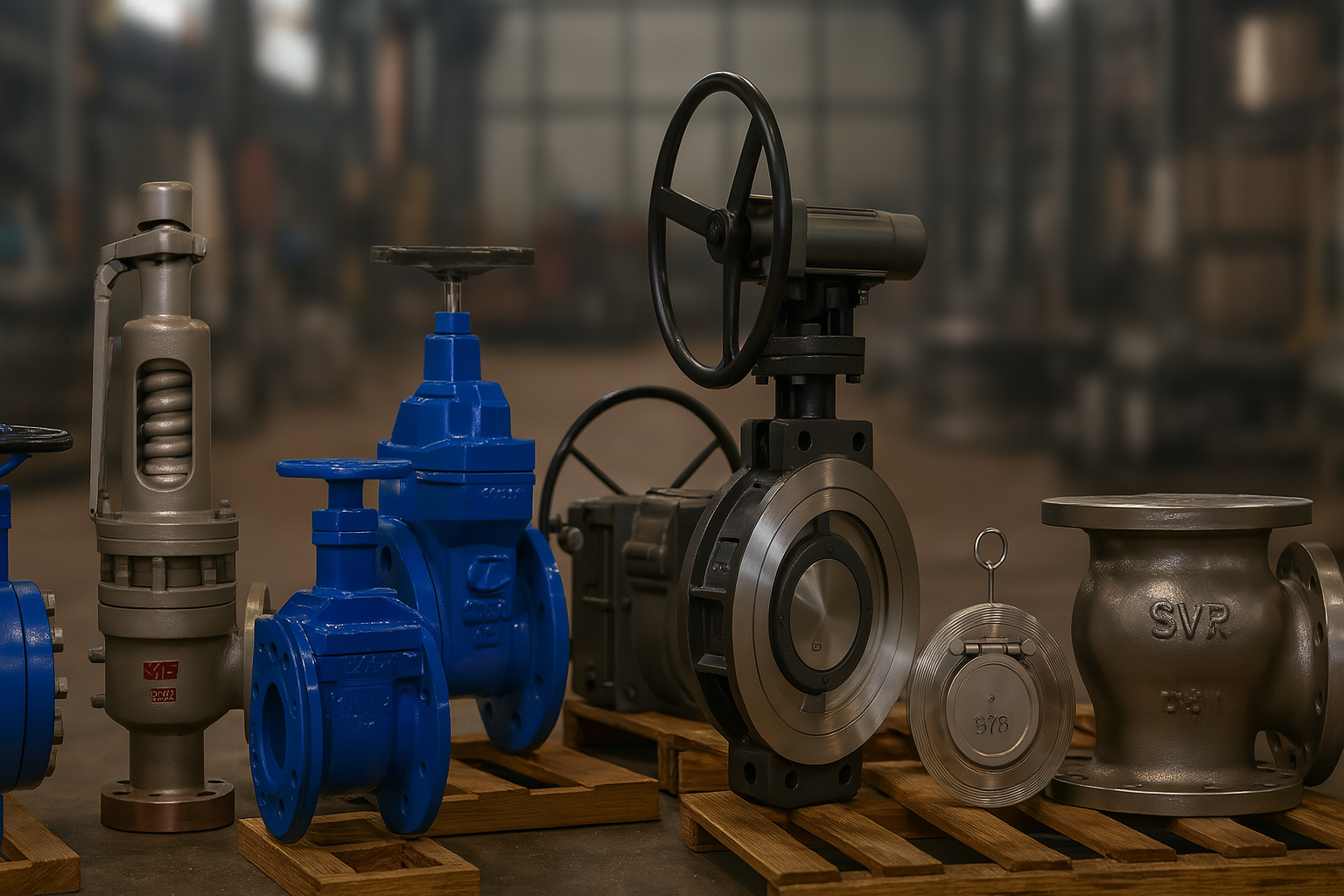
Not every one of the Saudi Arabian refineries are producing the same duty on the valves. Ras Tanura is a combination of clean-fuels processing and large-scale product transfer facilities. YASREF’s refinery is a full-conversion unit that processes Arabian Heavy crude. SATORP combines refining with making petrochemicals, and Jazan can be added gasification, H2, steam and power generation.
This blog provides a review of the refinery valves used for isolation of hot oil, hydrogen service, heavy-conversion streams, syngas pressure reduction and high-pressure steam service. The recommendations are engineering matches and not statements of the brands of valves installed at each refinery.
Middle East Valve supports buyers looking for an industrial valve supplier in Saudi Arabia for oil and gas, refinery and petrochemical projects.
Four Refineries at a Glance
| Refinery | Process profile | Main valve duty |
| Ras Tanura | Naphtha upgrading and transfer | Hot service and isolation |
| YASREF | 400,000-BPD full-conversion refinery | Hydrogen and sour service |
| SATORP | 460,000-BPD integrated complex | Heavy-crude conversion |
| Jazan | 400,000-BPD refinery with IGCC | Syngas, hydrogen and steam |
BPD means barrels per day, which shows how much crude oil a refinery is designed to process in one day.
Ras Tanura : Hot Service and Product Transfer
Ras Tanura clean-fuels development includes naphtha hydrotreating, catalytic reforming and isomerisation. These units create hot hydrocarbon services where valves must provide dependable isolation and stable flow control.
Gate valve at Ras Tanura are commonly considered for large hot-oil lines, while globe valves and control valves regulate feed, reflux and side-draw flow. Graphite packing, hard-faced seating surfaces and suitable alloy-steel trim may be required where repeated heating and cooling increase wear.
Tank farms and transfer headers create a different requirement. Full-bore trunnion ball valve, slab gate valves, check valve and actuated emergency shutdown valves can support rapid pipeline isolation while limiting pressure loss during high-volume product transfer.
YASREF : Hydrogen, Pressure and Sour Media
YASREF is a full-conversion refinery in Yanbu designed to process 400,000 barrels per day of Arabian Heavy crude. Hydrocracking and hydrotreating place valves in high-pressure, hydrogen-rich and sulphur-bearing service.
Important valve duties include:
- Forged gate and globe valves on smaller high-pressure lines
- Trunnion ball valves for rapid isolation of larger hydrocarbon lines
- Low-emission packing for hydrogen service
- Multi-stage control-valve trim at pressure let-down points
Pressure class alone does not make a valve suitable for hydroprocessing. The body, bonnet, bolting, seat, trim, packing and actuator must work as one pressure-containing package.
Control valve on separator-pressure and recycle-gas lines may experience noise, high velocity and erosion. Wet-H₂S service in amine and sour-water systems also requires controlled material hardness and resistance to sulphide stress cracking. These conditions make sour-service valve materials and fugitive-emission performance important selection factors.
SATORP : Heavy Conversion and Erosive Flow
SATORP is an integrated refining and petrochemical platform in Jubail with a capacity of about 460,000 barrels per day. Its heavy-conversion services can expose valves to deposits, flashing liquid, high velocity and erosive particles.
Before selecting valves for these units, engineers should check:
- Whether deposits can collect inside the valve body
- Whether soft seats can withstand the temperature and velocity
- Whether the actuator retains sufficient torque after build-up
- Where flashing begins and how it affects downstream piping
Metal-seated ball valves, hard-faced plug valves and angle-body control valves may perform better where soft seats or narrow flow passages could wear rapidly.
A severe-service control valve should be reviewed for pressure ratio, phase change, outlet velocity, rangeability, noise and actuator margin. Cv is important, but it should not be the only basis for valve sizing and trim selection.
Jazan: Syngas, Hydrogen and Steam
The refinery at Jazan is a fully integrated refinery that could process up to 400,000 barrels per day. It has an Integrated Gasification Combined Cycle plant, which is introducing syngas, hydrogen, industrial gases, high-pressure steam and power generation functions.
This configuration may require:
- Metal-seated isolation valves for hot, particle-laden gas
- Severe-service control valves at syngas pressure-reduction points
- Erosion-resistant trim near solids-removal systems
- Low-emission sealing for hydrogen service
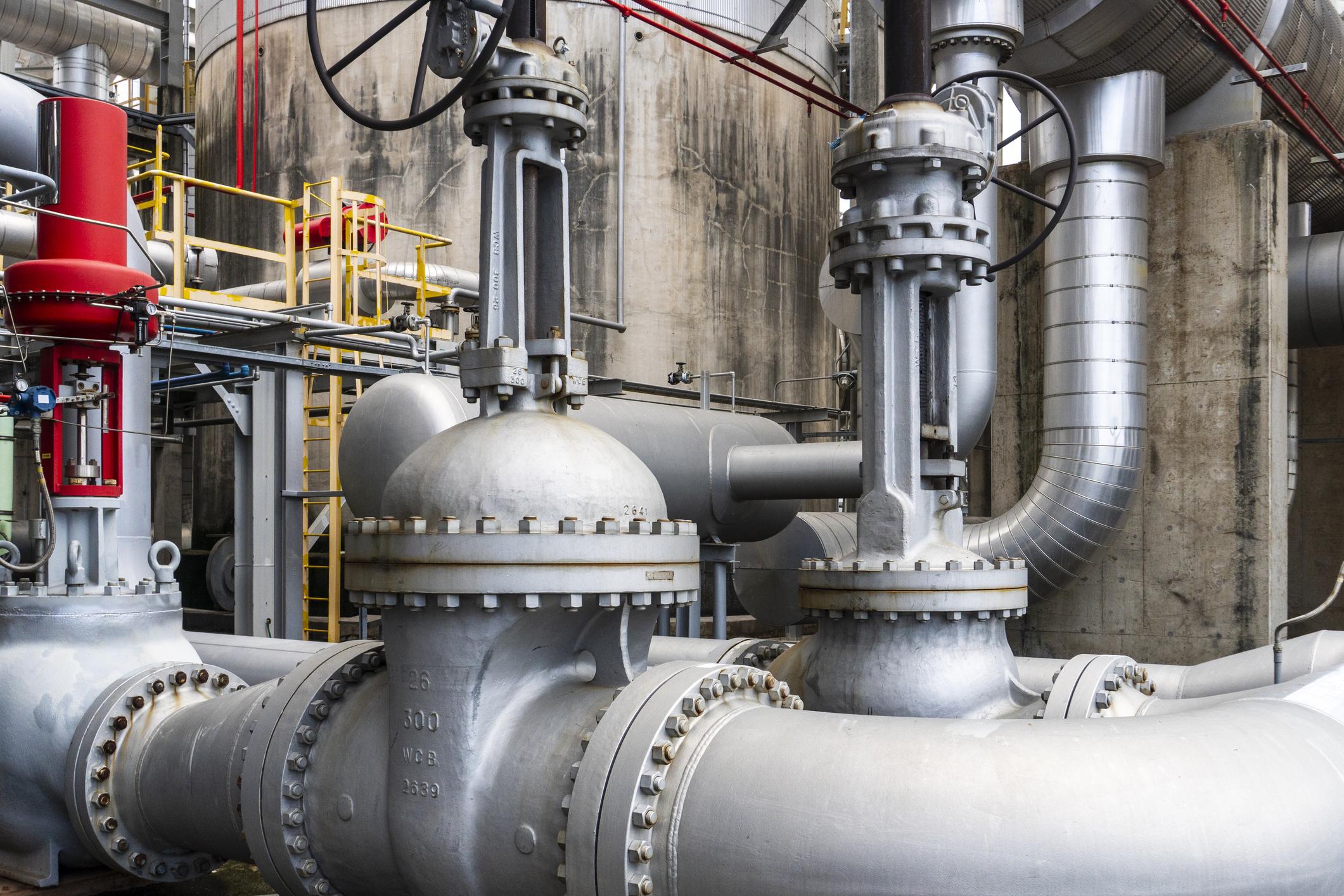
- Pressure-seal gate, globe and check valves for steam systems
Syngas pressure reduction can generate high outlet velocity, noise and particle impact. Multi-stage trim or an angle-body valve can divide the pressure drop across several stages rather than concentrating the energy at one seating area.
Downstream piping also affects valve performance. Elbows, reducers and short straight runs placed directly after the valve can increase turbulence, vibration and localised erosion.
Materials and Standards for Refinery Valves
Pressure, temperature, fluid composition, corrosion, erosion and operating frequency are all factors to consider when selecting a refinery valve for a job. Depending on the process conditions, carbon steel, Cr-Mo steel, stainless steel, duplex, super duplex and nickel alloy valves can be considered.
NACE MR0103/ISO 17945 covers metallic materials for use in H₂S containing refinery environments where sulphide stress cracking has the potential to impact pressure containment or equipment performance.
Other project specifications may include API 598 inspection and pressure testing, API 607 or API 6FA fire-tested designs, fugitive-emission control and documented material traceability. The relevant standard is dependent on the valve application, process duty and end user application.
Other pipeline isolation valve attributes to be checked on automated valves include bore type, seat direction, cavity pressure relief, actuator size, fail position and emergency shutdown time.